

Industry News
 14 2026-09
 What Exactly Is OTTC Certification for Central Asia Vehicle Imports?
HUBEI, China — Following an in-depth on-site research trip to Central Asia in late August 2026, Hubei Runli Special Purpose Vehicle Co., Ltd. has finally clarified exactly which OTTC certification documents are required for importing special-purpose vehicles into the region. Here is a summary for our partners and buyers.
 01 2026-09
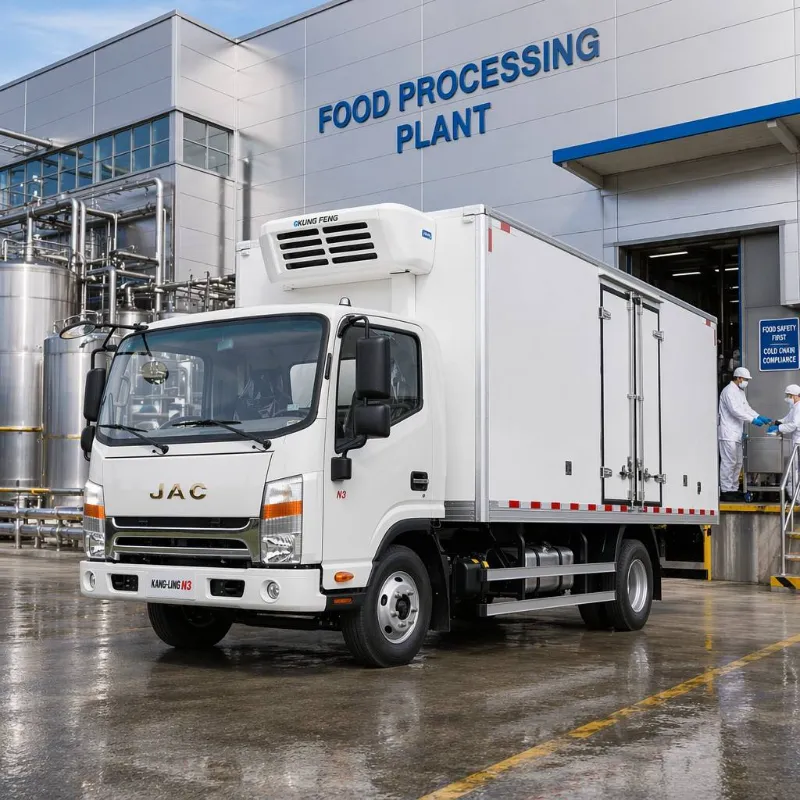
 How Can 3Ton Refrigerated Truck with Carrier Reefer Unit Cold Chain Transport Improve Logistics Efficiency?
A 3Ton Refrigerated Truck with Carrier Reefer Unit Cold Chain Transport provides an efficient option for maintaining product quality during regional distribution and commercial delivery operations. With advanced refrigeration technology and specialized vehicle manufacturing experience, modern refrigerated trucks help companies build more stable and controlled supply networks.
 15 2026-08
 How to precisely solve the problems of enterprises' foreign trade exports?
Hubei-based enterprises and local government authorities jointly organized a specialized Q&A seminar focusing on import and export trade as well as customs-related matters, with the aim of collaboratively addressing challenges in trade exports.
 03 2026-08
 Looking for the original manufacturer of the crane-equipped emergency rescue vehicle? Isuzu's vehicle-mounted crane emergency rescue vehicle is directly supplied overseas
Are you still searching for the original supplier of the crane-equipped emergency rescue vehicle? Our factory offers in-stock supply of Isuzu vehicle-mounted crane emergency rescue vehicles.
 17 2026-07
 The best selling Compactor Garbage Truck for wholesale buyers
This Compactor Garbage Truck represents our flagship product for wholesale buyers seeking efficient municipal waste collection systems. As a direct factory supplier in China, Runli offers competitive pricing with comprehensive after-sales support and quality certification.
 04 2026-06
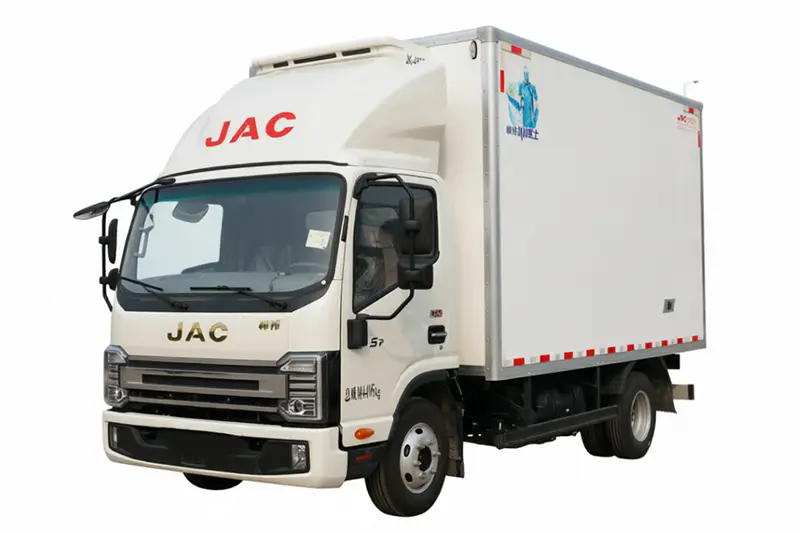
 How Can Refrigerated Trucks Transform Your Cold Chain Logistics?
Refrigerated trucks, also known as reefer trucks, are essential for transporting perishable goods while maintaining precise temperature control. This article explores the benefits, types, operational considerations, maintenance tips, and frequently asked questions about refrigerated trucks, helping businesses optimize cold chain logistics and ensure product safety.