China Quality Municipal Sanitation Vehicle Manufacturer
Municipal Sanitation Vehicles are the backbone of clean, healthy, and sustainable cities. As urban populations grow and environmental standards rise, the demand for efficient, reliable, and technologically advanced waste collection and street cleaning solutions has never been greater. For over two decades, Runli has been at the forefront of this essential industry, engineering vehicles that combine rugged durability with innovative features to meet the complex challenges faced by municipal authorities and private contractors worldwide. Our commitment at Runli is to provide more than just equipment; we deliver comprehensive sanitation solutions. We understand that every municipality has unique needs—from narrow historic streets to sprawling suburban layouts, from handling standard residential waste to managing recyclables and organic materials. Our range of Municipal Sanitation Vehicles is designed with this diversity in mind, offering customizable configurations, superior operational efficiency, and a lower total cost of ownership.
Runli vehicles are built on a philosophy of intelligent design and robust construction. We utilize high-strength, corrosion-resistant steel for body panels and critical structural components, ensuring longevity even in harsh operating conditions and coastal environments. The chassis is engineered for optimal weight distribution and payload capacity, adhering to stringent regional road safety regulations. A key focus is driver ergonomics and safety. The operator's cabin is designed for all-day comfort and visibility, featuring adjustable suspension seats, intuitive control panels, climate control, and noise-dampening materials. Advanced safety systems, including comprehensive camera monitoring, proximity sensors, and automatic braking assistance, are integrated to protect both personnel and the public.
Municipal Sanitation Vehicle FAQ
How often does a Municipal Sanitation Vehicle require maintenance?
Preventive maintenance is crucial. Runli recommends a minor service every 250 operating hours or 3 months. A major comprehensive service should be performed annually or every 1,200 hours. The Runli SmartRoute system provides predictive maintenance alerts based on actual usage data.
What is the typical lifespan of a Runli sanitation truck?
With a rigorous preventive maintenance schedule and proper operation, the body and compaction system of a Runli vehicle have a designed operational lifespan of 10-15 years. The chassis lifespan varies but often aligns with this timeframe. Many Runli vehicles remain in service for over a decade due to their durable construction and available rebuild/upgrade services.
How do I choose the right capacity for my community's needs?
Capacity selection depends on population density, collection frequency, type of waste, and route logistics. A general rule is 1 cubic yard of body capacity serves approximately 25-40 households per week for mixed waste. Runli's planning team uses your specific data to model and recommend the optimal vehicle size, often a mix of capacities for different zones.
Are there financing or leasing options available for municipalities?
Yes, Runli Financial Services offers flexible solutions tailored for public sector budgets. These include municipal leasing with option to purchase, competitive financing plans, and grant application support for projects involving clean technology like our eClean EV models. These options help manage capital expenditure and facilitate fleet modernization.
What training does Runli provide for drivers and maintenance staff?
Runli provides comprehensive training programs. This includes a mandatory 2-day operator training course for drivers on safe vehicle operation, controls, and daily inspections. For maintenance teams, we offer technical certification programs on hydraulic, electrical, and body systems. All training materials are available online through the Runli Customer Portal for ongoing reference.
New Products
- Heavy-Duty Meets Compact JAC N8 8/10-Ton Wrecker with Cummins Power

- JAC N8 8-Ton Flatbed Wrecker Tow Truck with Cummins 160HP Engine
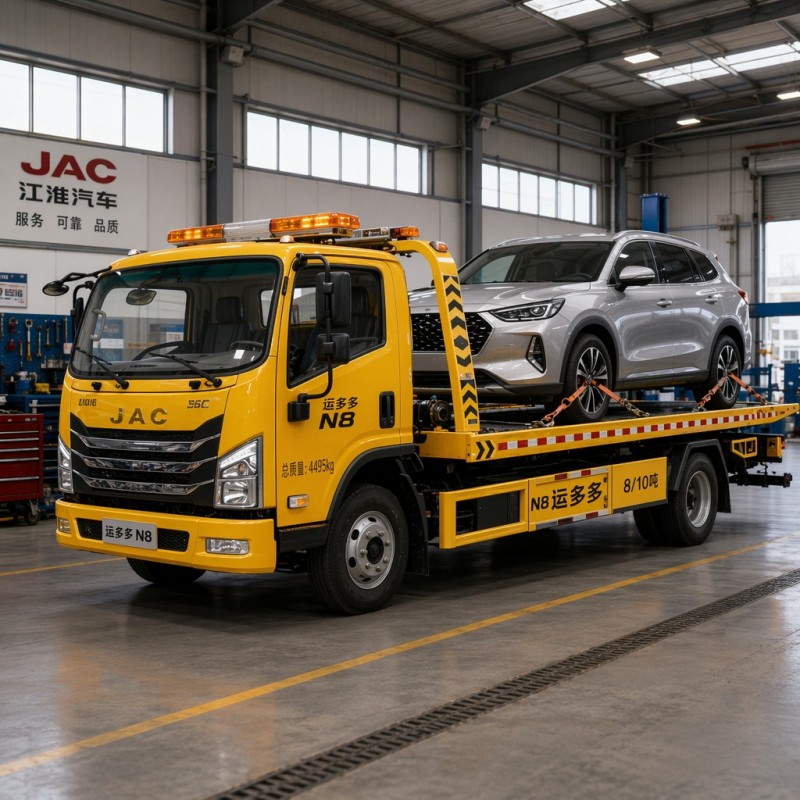
- Dongfeng D3L Truck-Mounted Crane Heavy-Lift Precision for Demanding Job Sites

- Light Duty Dump Truck 3-5Ton Mining Tipper with JAC Chassis for Sale
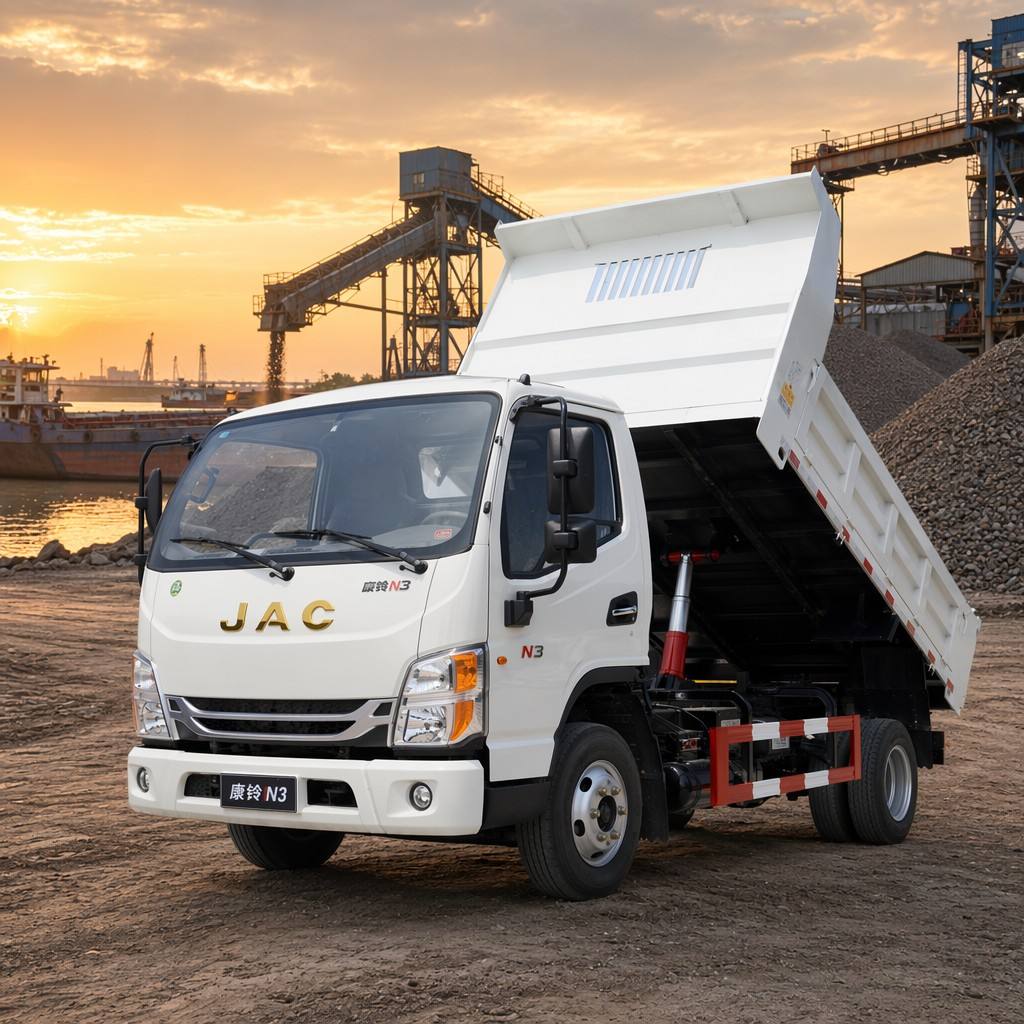
- 5-6CBM Compression Garbage Truck with JAC Chassis for Sale

- View as
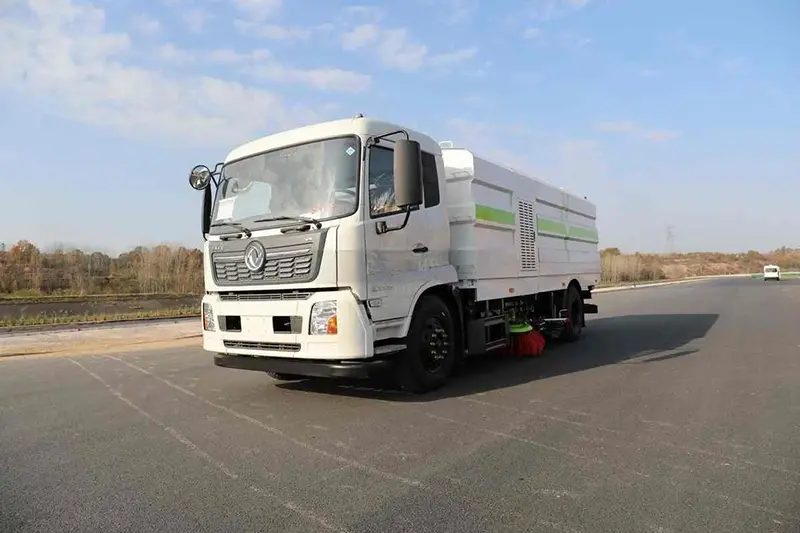
Street Sweeper Truck
Runli is a leading manufacturer and supplier of Street Sweeper Truck in China, the Dongfeng 230HP Street Sweeper Truck - China factory wholesale supplier offers competitive price on this 18000kg road cleaning vehicle. 169kw Dongfeng Cummins engine, 5305-6770kg payload capacity. Professional street sweeper truck manufacturer with ABS system, multiple axle options. Bulk order available from Chinese supplier. Factory direct pricing with quality guarantee.
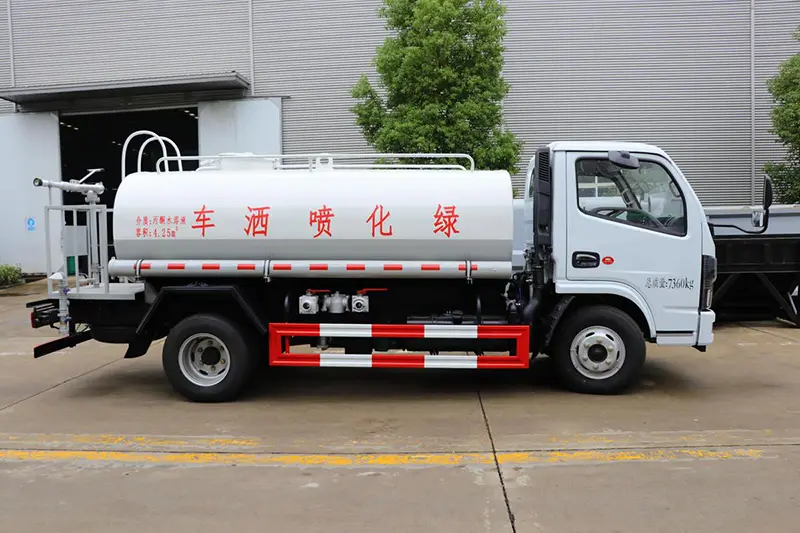
High-pressure Water Sprinkler Truck
As a leading China factory and wholesale supplier of sanitation special purpose vehicles, Runli offers the Dongfeng Dolica D6 140HP Euro 6 High-pressure Water Sprinkler Truck at factory-direct favorable prices. This 4X2 drive sprinkler vehicle is equipped with a Yuchai 140HP 4-cylinder Euro 6 engine and a 4.25m³ high-seal tank, built on the reliable Dongfeng Dolica D6 chassis.
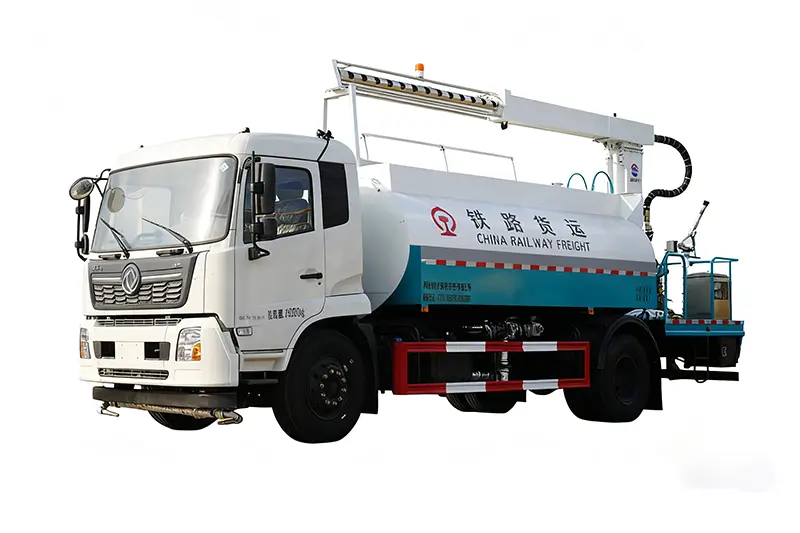
Railway Dust Suppression Truck
The Railway Dust Suppression Truck is produced by Runli; we are one of the leading manufacturers and suppliers in China. 10m³ tank capacity, 8070kg payload, 210HP engine. Professional dust suppression truck manufacturer with PLC system, heating device. Bulk order available from Chinese supplier. Factory direct pricing with quality guarantee.
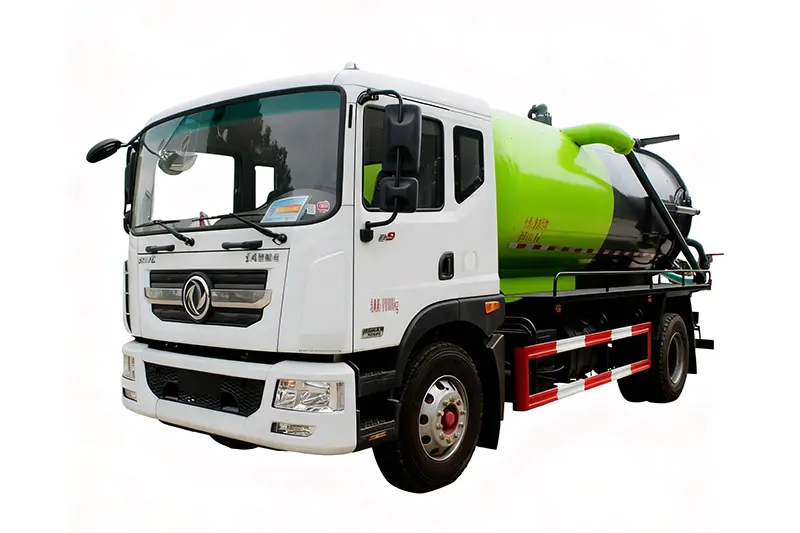
Sewage Suction Truck
High-quality Dongfeng Duolika 12m³ Sewage Suction Truck with a cheap price can be wholesaled from our factory called Runli. Equipped with a Dongfeng Duolika special chassis and a reliable high-performance engine, it delivers strong power to handle various working conditions.
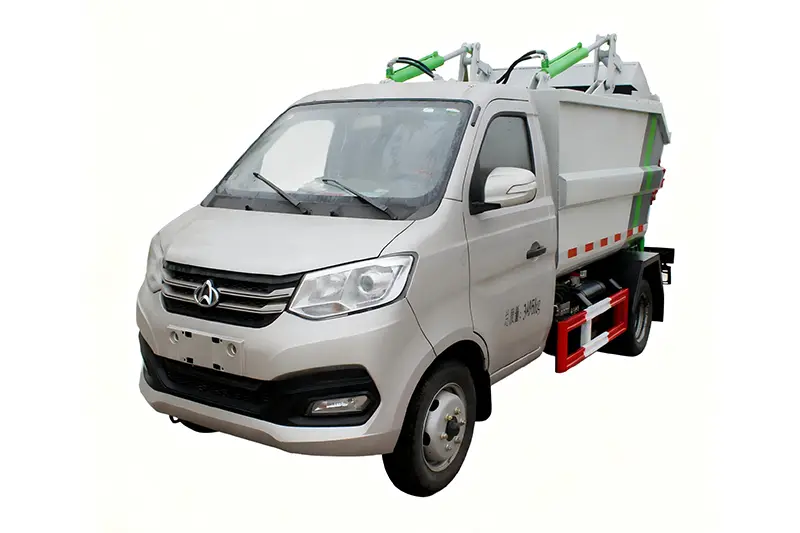
Dump Garbage Truck
Runli is a leading factory offering high-quality Changan 3m³ Dump Garbage Truck, directly supplied by high-quality Chinese suppliers with factory-direct price advantages, supporting bulk procurement and foreign trade export. Relying on Changan's reliable quality, this truck is designed for small-scale sanitation, communities, towns and other scenarios.
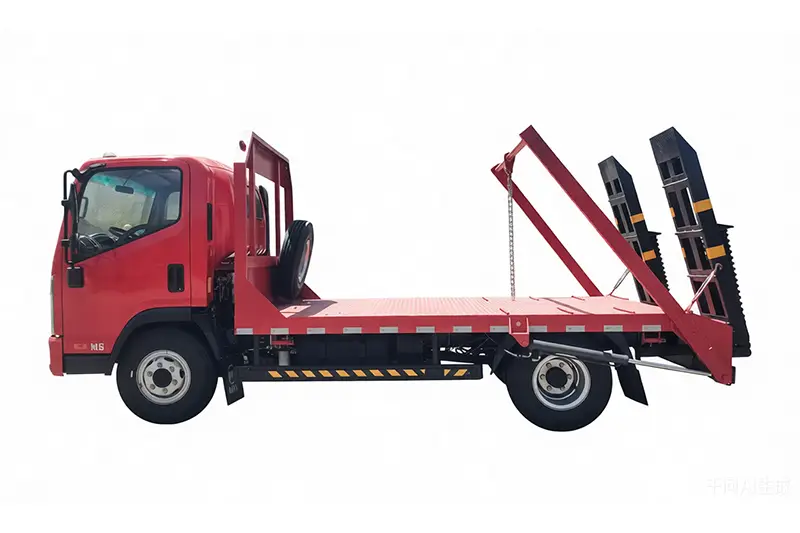
Swing Arm Garbage Truck
Looking for a reliable China manufacturer and supplier? Look no further! Hubei Runli Special Automobile Co., Ltd. is a leading factory offering high-quality Swing Arm Garbage Truck. Unlike standard rear-loaders, this truck features a robust hydraulic arm system that allows it to load, transport, and unload waste containers independently.
Discover the latest selling Municipal Sanitation Vehicle featuring energy-efficient technology and high-performance engines. Runli's new design focuses on reducing costs while maximizing work efficiency for global clients. Email us today.