China Rescue and Clearance Vehicle Manufacturer
Essential Power for Emergency Response: The Rescue and Clearance Vehicle
In the critical moments following a disaster or major incident, the speed and efficiency of response are paramount. Standard vehicles often lack the specialized capabilities required to navigate chaotic, debris-filled environments and execute complex rescue and clearance operations. This is where the purpose-built Rescue and Clearance Vehicle becomes an indispensable asset for emergency services, military units, and disaster management agencies worldwide. Unlike conventional trucks, an RCV is engineered from the ground up to perform under extreme pressure, combining robust mobility, powerful tool systems, and enhanced safety features to save lives and restore access. The Runli line of Rescue and Clearance Vehicles represents the pinnacle of this engineering, designed to meet and exceed the rigorous demands of modern emergency response.
Frequently Asked Questions (FAQ) About Rescue and Clearance Vehicles
What is the primary difference between a Rescue and Clearance Vehicle and a standard fire truck or ambulance?
A standard fire truck is optimized for fire suppression and basic rescue, while an ambulance is for patient transport. A Rescue and Clearance Vehicle is a specialized, multi-role platform focused on technical rescue, debris management, and creating access in "non-standard" disaster scenarios. It carries a wider array of heavy-duty extrication, lifting, and cutting tools, and is built on an all-terrain chassis to reach incidents inaccessible to standard apparatus.
How does the Runli RCV handle power supply for all its tools simultaneously?
The Runli RCV is designed with an integrated power ecosystem. The main hydraulic system is driven directly by the vehicle's engine via a Power Take-Off (PTO), ensuring consistent high-pressure flow for hydraulic tools. Simultaneously, a separate onboard diesel generator provides AC/DC power for electric tools, lighting, and communications equipment. This dual-system design prevents overload and allows multiple tools to operate at peak efficiency concurrently.
How does the vehicle ensure crew safety in hazardous environments like chemical spills or unstable structures?
Safety is integrated into the design. Features include a positive-pressure cab air filtration system to protect against airborne contaminants, reinforced cab construction for roll-over and falling object protection (ROPS/FOPS), and intrinsically safe electrical systems to prevent ignition in flammable atmospheres. The external camera and thermal imaging systems allow operators to assess unstable scenes from the safety of the cab before deploying personnel.
Key Applications in Modern Crisis Management
The versatility of the Runli Rescue and Clearance Vehicle makes it a force multiplier across numerous scenarios:
- Urban Search and Rescue (USAR): Locating and extracting victims from collapsed structures following earthquakes or explosions.
- Natural Disaster Response: Clearing roads of fallen trees and debris after hurricanes, tornadoes, or floods to enable access for other responders.
- Hazardous Material Incidents: Creating containment berms, deploying decontamination equipment, and providing a safe, mobile command post.
- Wildfire Support: Acting as a crew transport, mobile pump unit, and logistical support vehicle in wildland-urban interface zones.
- Military & Peacekeeping Operations: Route clearance, obstacle breaching, and providing engineering support in conflict or post-conflict zones.
- Major Traffic Accidents: Performing complex extrications involving multiple vehicles or heavy commercial trucks.
Investing in Readiness with Runli
Selecting a Rescue and Clearance Vehicle is a strategic investment in community safety and operational resilience. It is a decision that hinges on trust in the manufacturer's expertise, durability, and long-term support. Runli has built its reputation over decades by delivering vehicles that perform when it matters most. Our engineering team works directly with first responders to incorporate real-world feedback into continuous design improvements. From the robust chassis that forms its backbone to the intuitive layout of the control systems, every aspect of a Runli RCV is crafted to reduce response time, enhance operational effectiveness, and, ultimately, protect both the public and the brave personnel who serve them. We invite agencies to contact our specialist team for a detailed capability assessment and a demonstration tailored to your specific operational requirements.
New Products
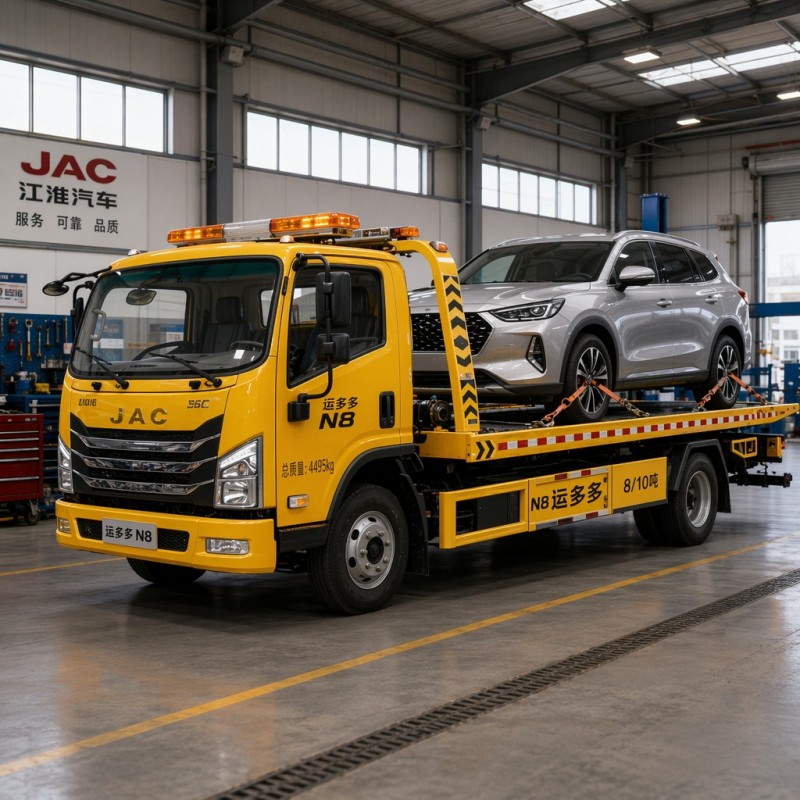
- Heavy-Duty Meets Compact JAC N8 8/10-Ton Wrecker with Cummins Power

- JAC N8 8-Ton Flatbed Wrecker Tow Truck with Cummins 160HP Engine
- Dongfeng D3L Truck-Mounted Crane Heavy-Lift Precision for Demanding Job Sites

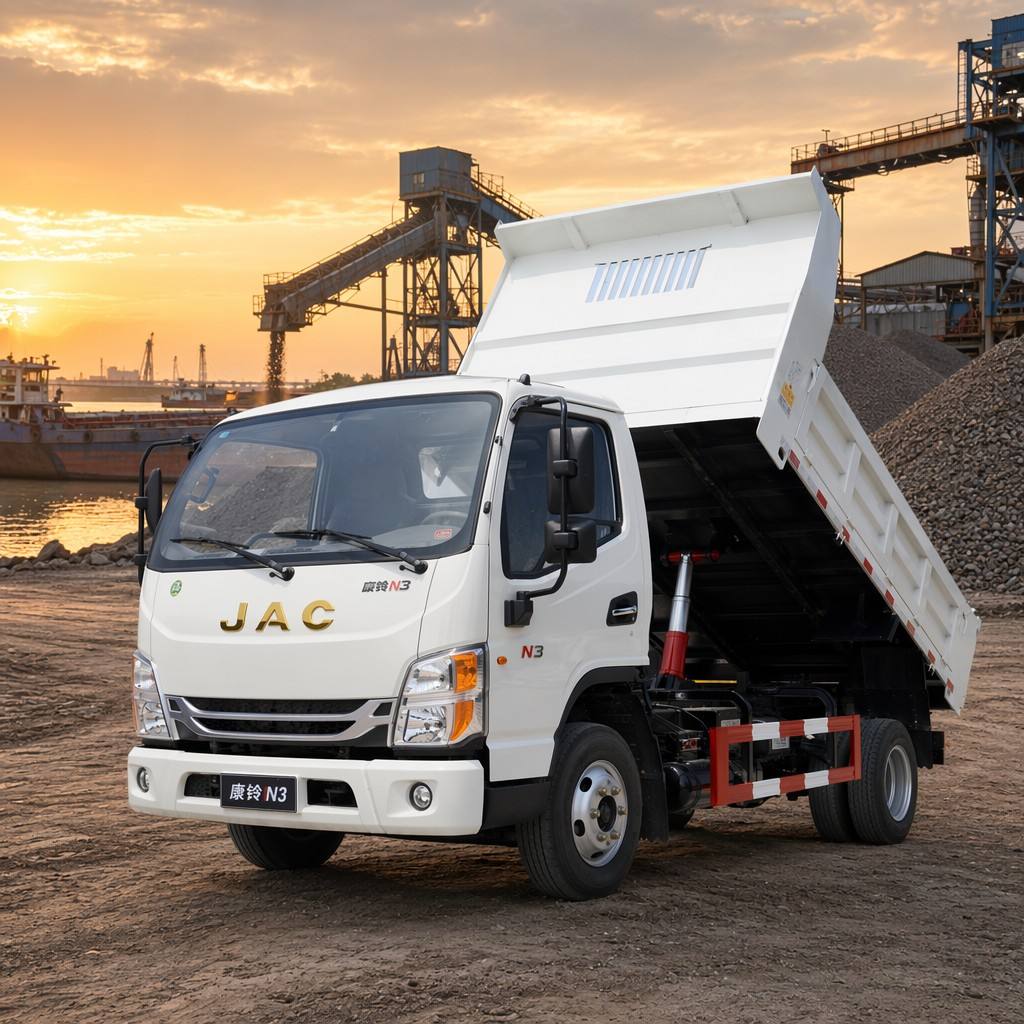
- Light Duty Dump Truck 3-5Ton Mining Tipper with JAC Chassis for Sale
- 5-6CBM Compression Garbage Truck with JAC Chassis for Sale

- View as
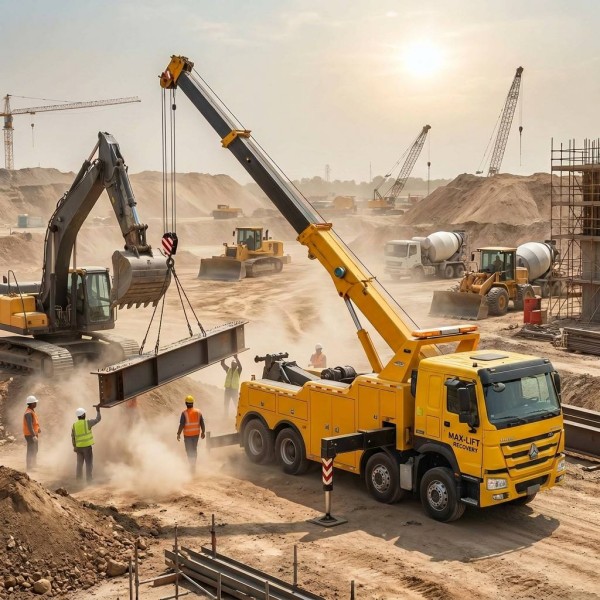
Dongfeng D3L Truck-Mounted Crane Heavy-Lift Precision for Demanding Job Sites
Our Dongfeng D3L truck mounted crane is built on the proven DFV1243GP6DJ 6×4 chassis, equipped with an ISO/CE certified hydraulic knuckle boom crane (8-16 ton). With in-house R&D and a monthly output of 80+ units, these crane trucks serve construction, oilfield, and municipal projects across 20+ countries.
Accident Rescue Truck
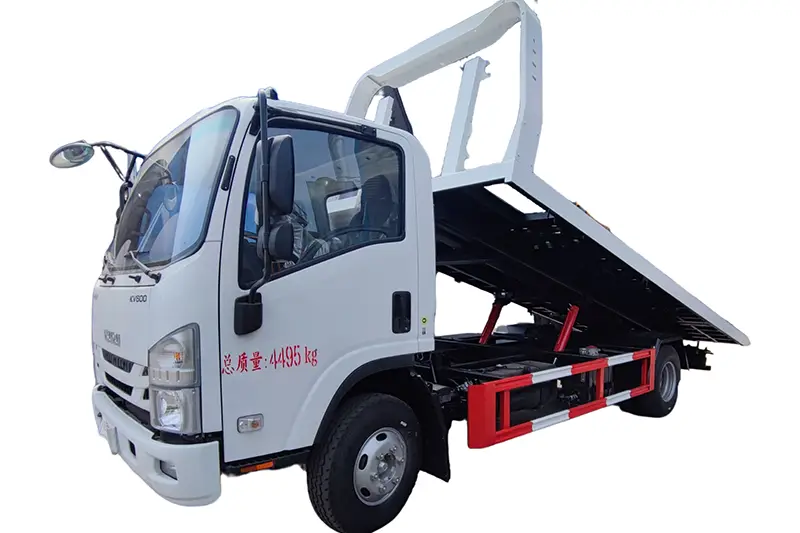
Hubei Runli Special Automobile Co., Ltd. is a leading manufacturer and supplier of Accident Rescue Truck in China, Accident Rescue Truck is a professional emergency rescue equipment integrating hoisting, towing and flatbed transportation. Designed specifically for scenarios such as road accidents and vehicle breakdowns, it can respond quickly and operate efficiently to help restore traffic order and ensure public safety. Equipped with a powerful National VI engine, the vehicle has sufficient power and meets environmental protection standards.
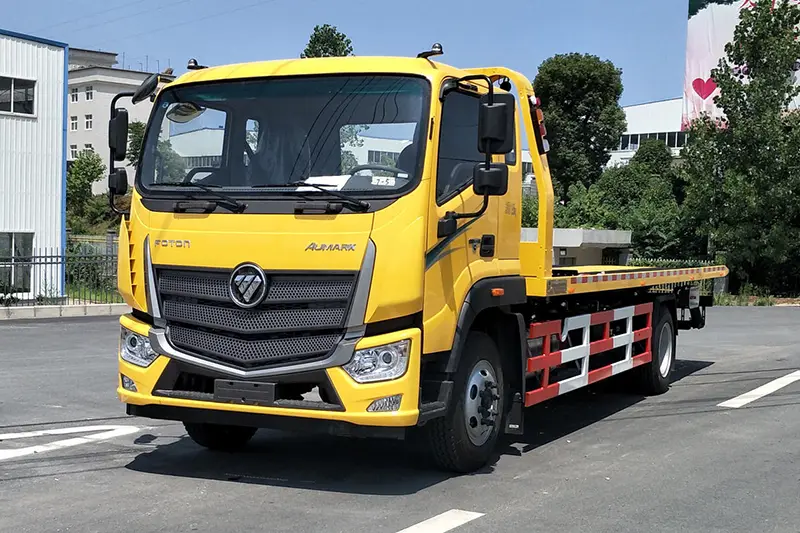
Road Rescue Vehicle
This High-quality Runli Road Rescue Vehicle series 4×2 wrecker truck is a professional road rescue vehicle with 10.41×2.55×2.81m large body and 5750mm long wheelbase. Powered by Foton Cummins F4.5NS6B220 diesel engine (220HP, 4.5L), it meets China VI emission standard. Equipped with Fast 8-speed manual transmission, 10.00R20 heavy-duty tires and 7370kg lifting capacity, featuring strong load capacity, stable performance and high safety, ideal for highway, urban road rescue and vehicle towing.
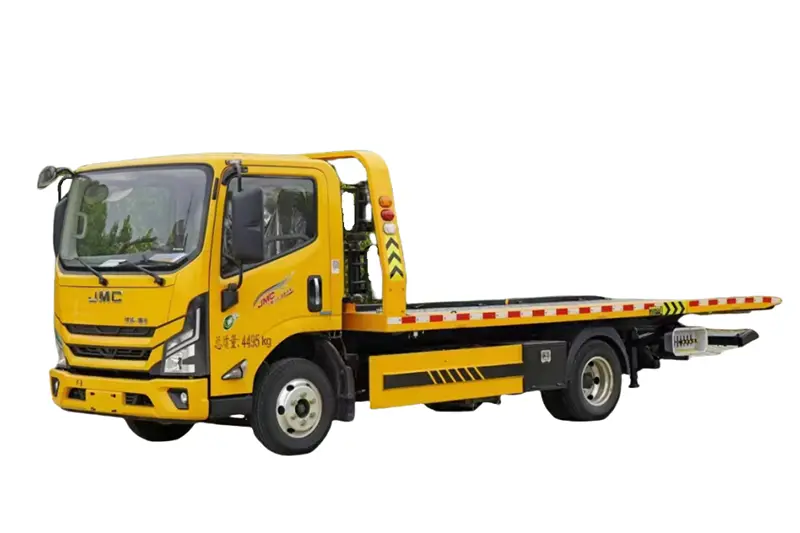
Highway Wrecker Truck
Runli offers factory direct JMC 4 Ton Highway Wrecker Truck at competitive price. This Highway Wrecker Truck is built on a reliable JMC chassis with 130HP engine and meets Euro 5 emission standards. Ideal for road-block removal, car towing, and municipal rescue operations. As a leading Chinese supplier, we provide comprehensive after-sales support. Wholesale orders welcome!
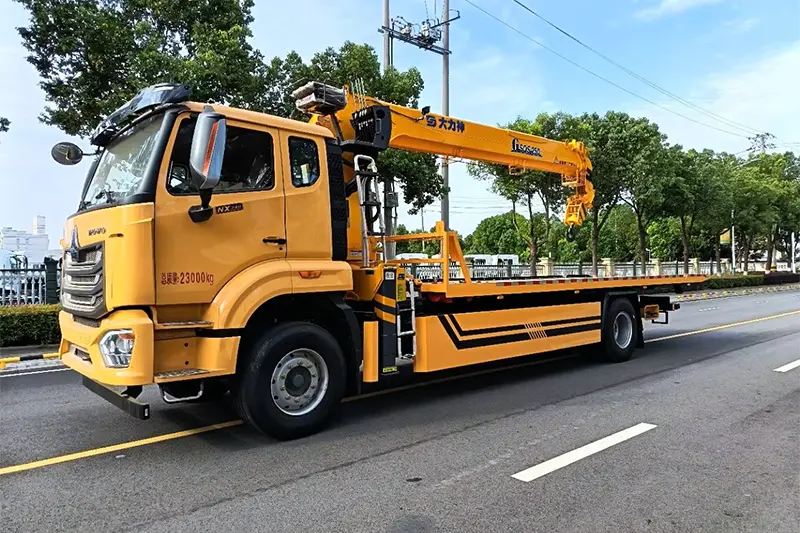
One Drag Two Wrecker Truck
Sinotruk Howo One Drag Two Wrecker Truck With 8T Crane, a heavy-duty road rescue special truck from China professional special vehicle factory and supplier Hubei Runli, is available for wholesale, bulk procurement and global export at competitive factory price.
Discover the latest selling Rescue and Clearance Vehicle featuring energy-efficient technology and high-performance engines. Runli's new design focuses on reducing costs while maximizing work efficiency for global clients. Email us today.