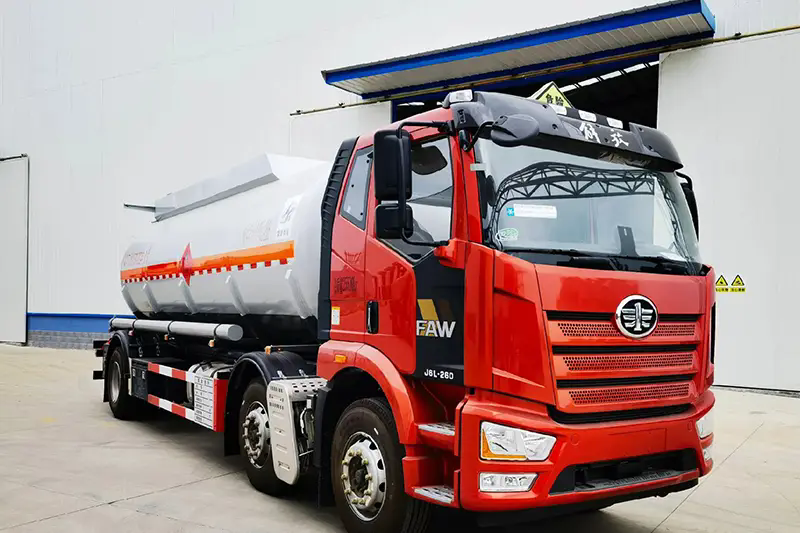

China Cargo Truck Factory
In the demanding world of logistics and transportation, efficiency, reliability, and durability are not just desirable features—they are absolute necessities. Choosing the right cargo truck can be the defining factor for the success of your business operations. At Runli, we have dedicated decades to engineering vehicles that don't just meet industry standards but redefine them. This comprehensive guide delves into the core features, technical specifications, and practical benefits of the modern cargo truck, highlighting why Runli stands as a leader in commercial vehicle manufacturing.
What Defines a Modern Cargo Truck?
Today's cargo truck is a sophisticated machine, a fusion of robust mechanical engineering and advanced technological integration. It's designed to handle substantial payloads over varied terrains while ensuring driver comfort, operational efficiency, and compliance with stringent environmental and safety regulations. The primary purpose remains clear: to transport goods safely, swiftly, and cost-effectively from point A to point B. However, how a truck achieves this goal involves a complex array of components and systems working in perfect harmony.
Frequently Asked Questions (FAQ) About Cargo Trucks
Q: How often does a commercial cargo truck require maintenance?
A: Maintenance intervals vary by model and usage, but a general guideline for a truck like those from Runli is an oil and filter change every 10,000 to 15,000 miles under normal conditions. Severe service (frequent stop-and-go, towing, dusty environments) requires more frequent checks. Always follow the specific schedule in your Runli owner's manual for tire rotations, brake inspections, fluid changes, and other critical services.
Q: Are diesel engines better than gasoline engines for cargo trucks?
A: Each has advantages. Diesel engines, like those in Runli's T and X-Series, typically offer significantly higher torque, better fuel economy under heavy loads, and longer engine life, making them ideal for heavy-duty hauling and long-distance travel. Gasoline engines, like in our F-Series, often have lower upfront costs, perform better in cold climates, and have quieter, smoother operation. The choice depends on your payload requirements, annual mileage, and budget.
Q: What financing or leasing options are available for a business purchasing a fleet?
A: Runli Commercial offers flexible solutions tailored to business needs. These include traditional financing, leasing with options to buy at the end of the term, and dedicated fleet management programs that can bundle maintenance and telematics. These plans are designed to improve cash flow management and provide potential tax benefits. Contact a Runli Commercial representative for a customized quote.
Q: Can I customize a cargo truck for a specific industry need, like refrigeration or dry van delivery?
A: Absolutely. One of Runli's strengths is its upfit integration. Our trucks are designed to serve as a reliable chassis for various bodies, including refrigerated units (reefers), dry vans, utility service bodies, stake beds, and dump bodies. We work with a certified network of upfitters to ensure the final vehicle meets your exact specifications without compromising the factory warranty or structural integrity.
Choosing the Right Cargo Truck for Your Business
Selecting the ideal cargo truck involves a careful assessment of your daily operational needs. Consider the average weight and volume of your shipments, the typical distances traveled, the terrain (urban streets vs. highways), and any specialized equipment required. An underpowered truck will struggle and incur higher maintenance costs, while an oversized one leads to unnecessary fuel and operational expenses. The Runli F-Series is perfect for last-mile delivery and urban logistics, the T-Series serves as a versatile workhorse for regional distribution, and the X-Series is built for the most demanding heavy-haul and construction applications.
New Products
- Heavy-Duty Meets Compact JAC N8 8/10-Ton Wrecker with Cummins Power

- JAC N8 8-Ton Flatbed Wrecker Tow Truck with Cummins 160HP Engine
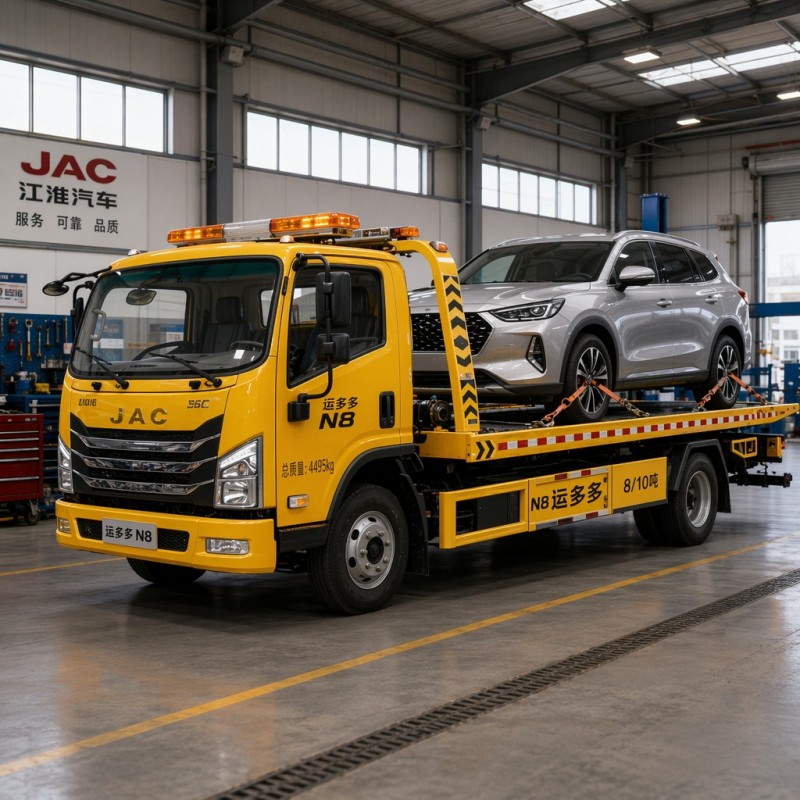
- Dongfeng D3L Truck-Mounted Crane Heavy-Lift Precision for Demanding Job Sites

- Light Duty Dump Truck 3-5Ton Mining Tipper with JAC Chassis for Sale
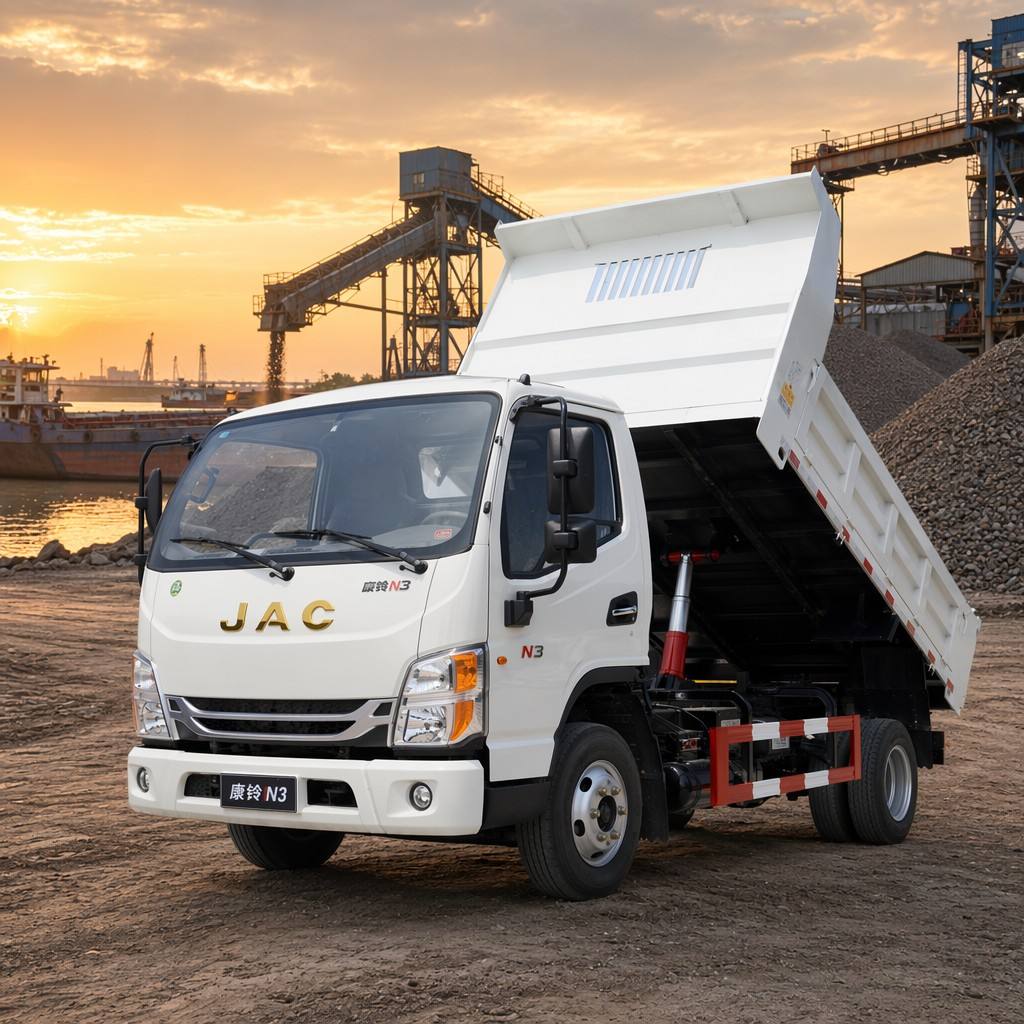
- 5-6CBM Compression Garbage Truck with JAC Chassis for Sale

- View as
5-6CBM Compression Garbage Truck with JAC Chassis for Sale
Engineered on JAC's durable chassis with 50+ years of proven reliability, this compression garbage truck features a high-compaction rear-loading body (compaction ratio up to 1:3), maximizing waste volume per trip while minimizing collection frequency. Built for municipal sanitation, residential communities, and industrial waste handling. Powered by a robust hydraulic system with drip-proof sealed tank to prevent secondary pollution. Widely deployed across Asia and Africa with ready stock availability.
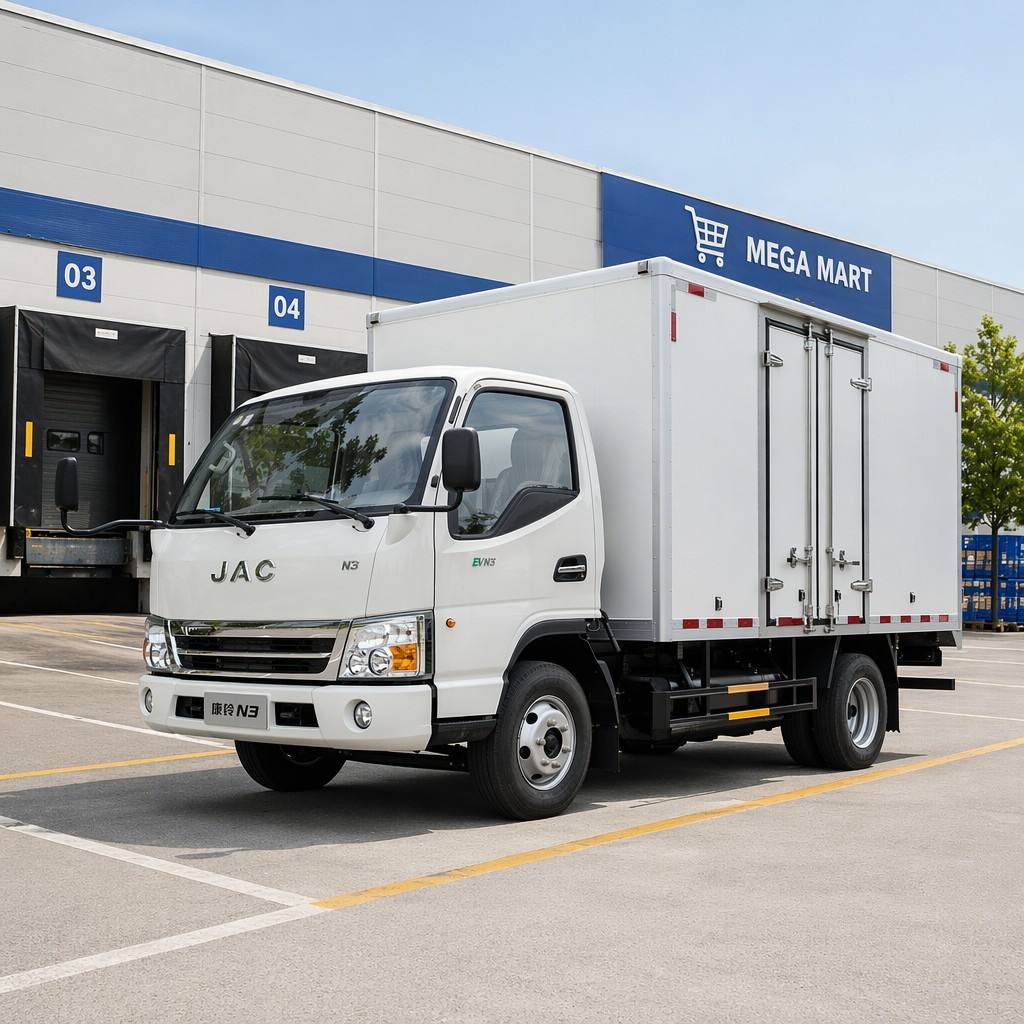
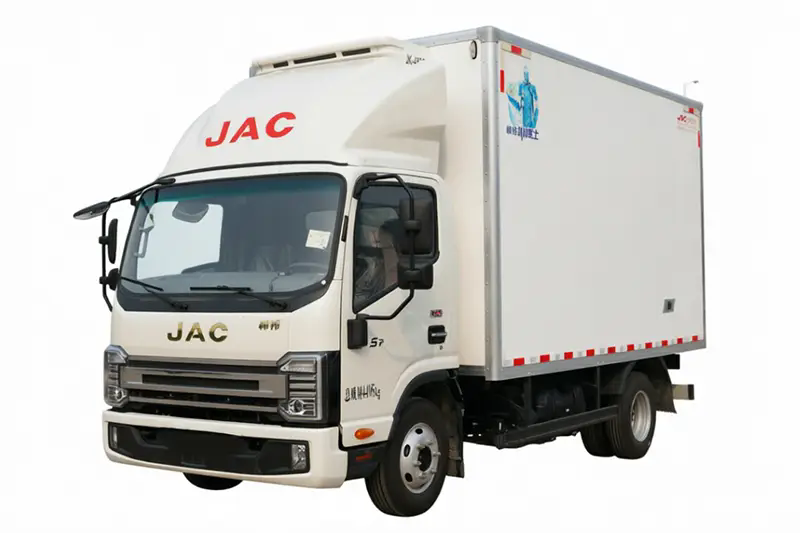
3Ton Enclosed Box Cargo Truck Dry Van Truck JAC for Sale
Powered by JAC Motors' 50+ years of CV engineering expertise, this box truck / cargo van truck features a fully enclosed, weatherproof cargo body with reinforced steel frame and lightweight composite panels, delivering superior cargo protection and anti-theft security. Ideal for express logistics, e-commerce last-mile delivery, furniture transport, and FMCG distribution. Proven reliability across Southeast Asia, Africa, and South America with consistent in-stock availability for urgent orders.

2-4 Ton Stake Cargo Truck Flatbed Truck with JAC Chassis for Sale
Engineered by JAC Motors, a top-tier Chinese CV manufacturer with 50+ years of R&D expertise and an annual output exceeding 500,000 units. The JAC flatbed truck features a reinforced high-strength steel chassis and a spacious cargo bed, ideal for urban distribution, construction material hauling, and intercity logistics. Trusted across Southeast Asia, Africa, and Latin America, our flatbed truck and light duty cargo truck series maintain robust in-stock availability for fast delivery.
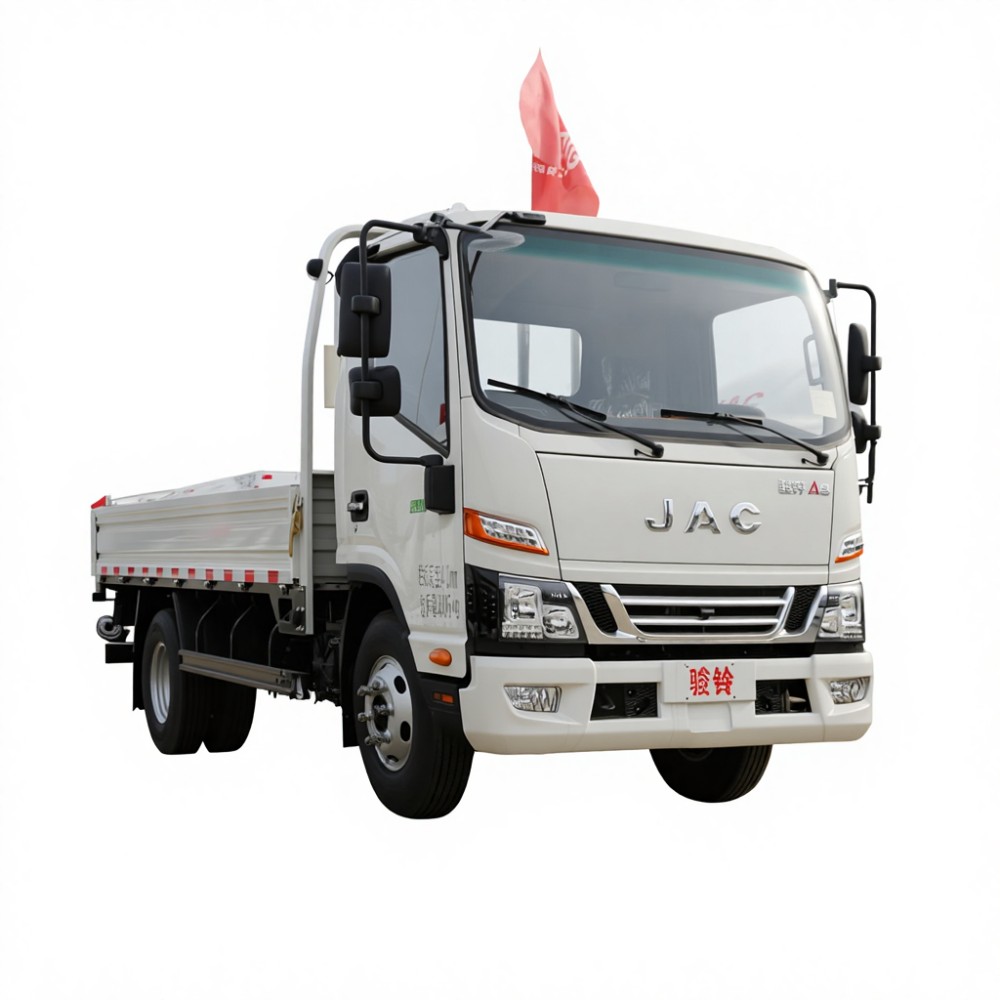
JAC 4*2 Light Duty Cargo Truck Diesel Cargo Truck
Drive type: 4X2
Wheelbase: 3365mm
Box length class: 4.2 meters
Engine: Yunrei Power YN25PLUS1
Transmission: Xingrui 6-speed
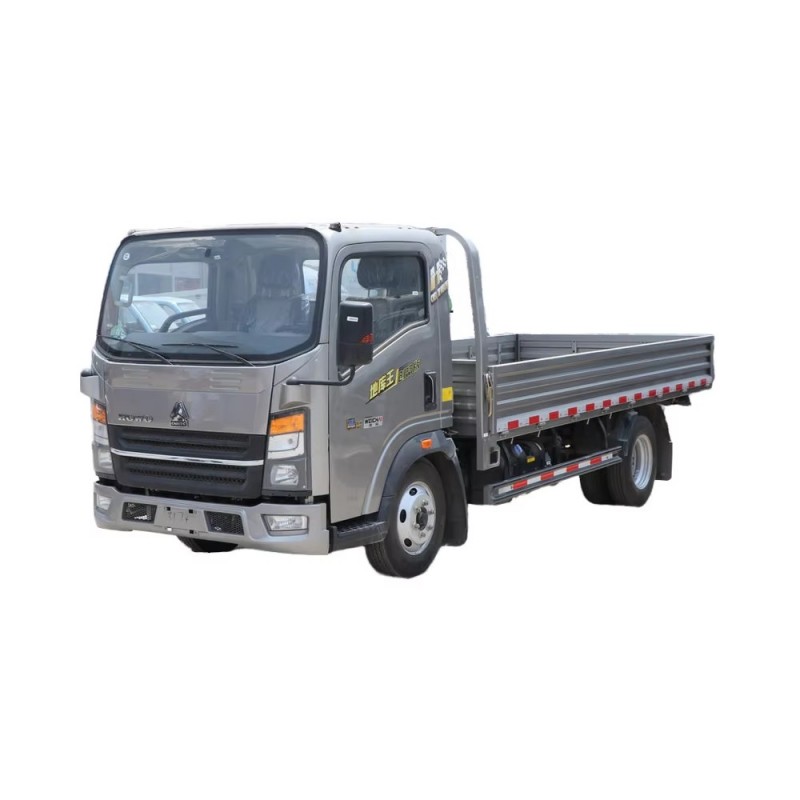
China Factory Light Cargo Truck 4x2 Diesel Engine Mini Cargo Truck
China Factory Light Cargo Truck 4x2 Diesel Engine Mini Cargo Truck
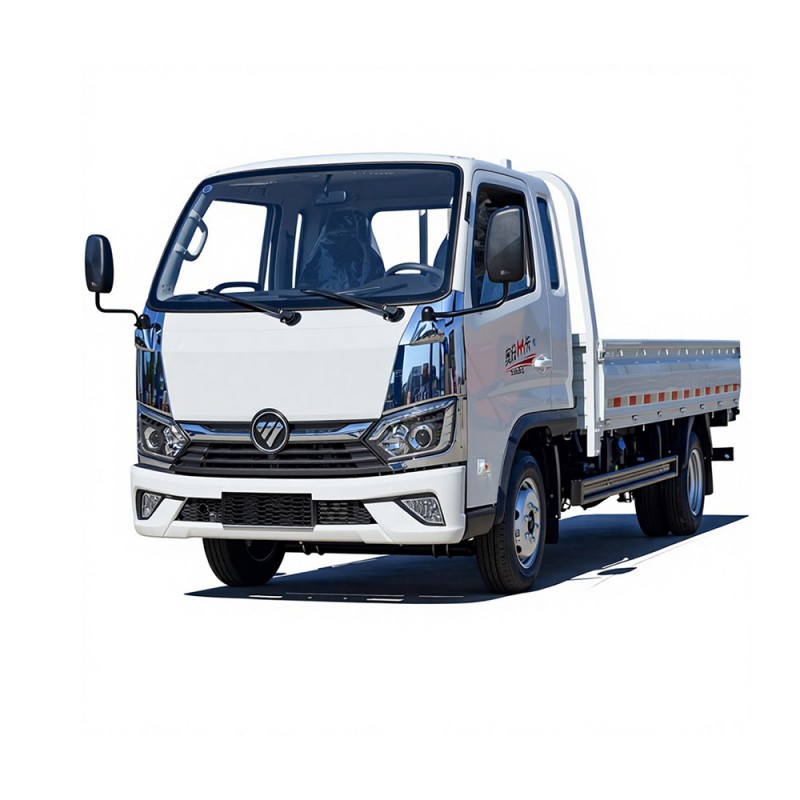
2026 Hot Sale Diesel Mini Cargo Truck 4x2 Light Cargo Truck
Mini Cargo Truck Light Cargo Truck For urban delivery transportation
Discover the latest selling Cargo Truck featuring energy-efficient technology and high-performance engines. Runli's new design focuses on reducing costs while maximizing work efficiency for global clients. Email us today.