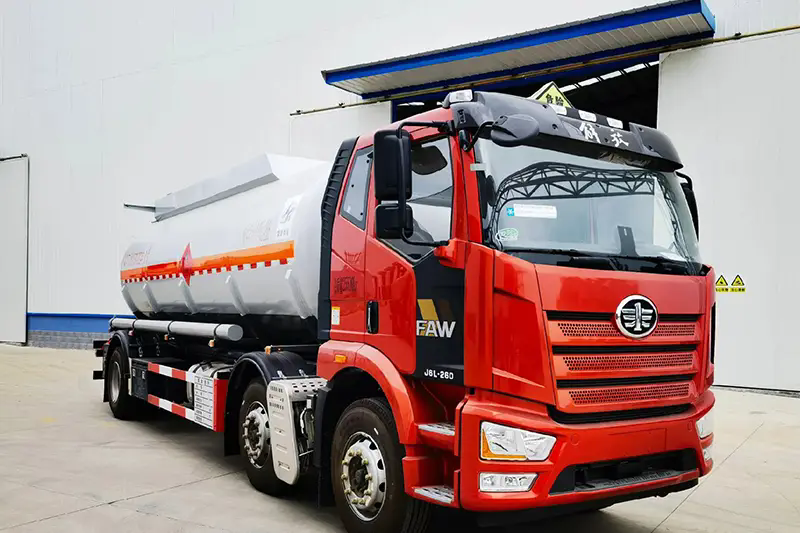
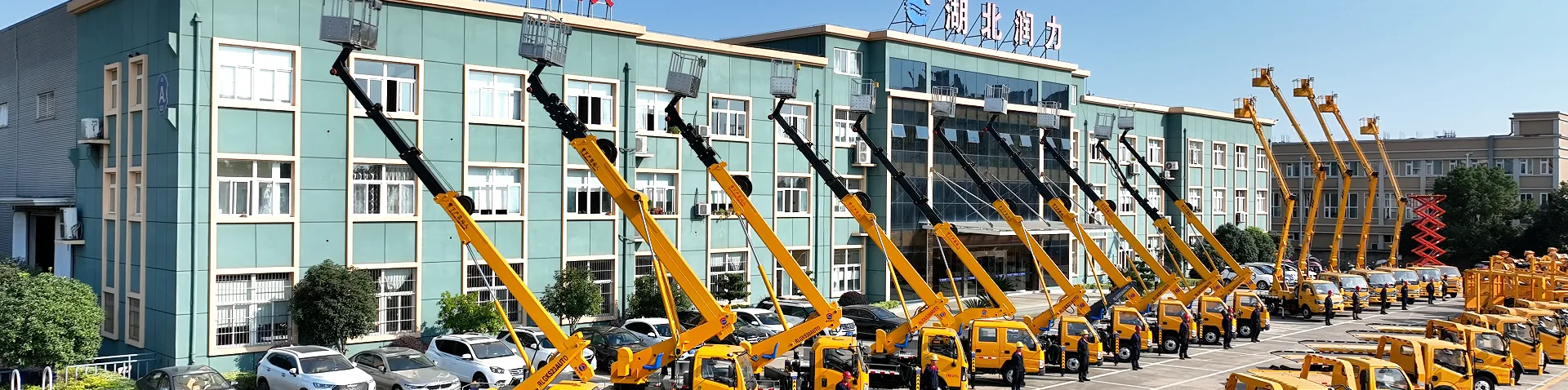
China Durable Tanker Trucks Manufacturer
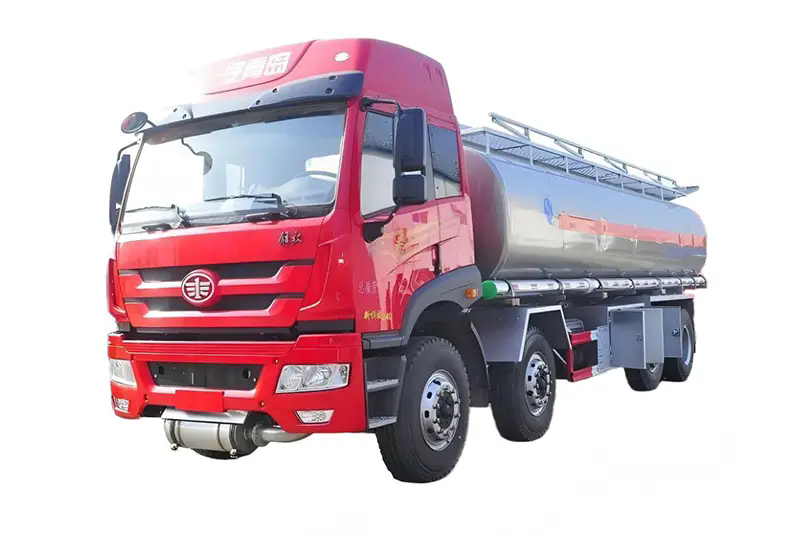
Engineered for Performance, Safety, and Reliability In industries where the secure and efficient transport of liquids and gases is critical, the right equipment makes all the difference. For over two decades, Runli has been at the forefront of designing and manufacturing premium tanker trucks that set the standard for durability, safety, and operational efficiency. Whether you're in fuel distribution, chemical transport, food-grade logistics, or water and waste management, a Runli tanker is more than just a vehicle; it's a reliable partner built to withstand the rigors of the road and the demands of your business. Our engineering philosophy is simple: integrate robust construction with intelligent design. Every Runli tanker truck begins with a deep understanding of the specific material it will carry.
Frequently Asked Questions (FAQ)
What are the main factors to consider when choosing a tanker truck?
The primary factors are the product being transported, required capacity, operational terrain, regulatory compliance, and the preferred unloading method. A thorough analysis of these elements is crucial for selecting the correct tank material, design, and auxiliary equipment.
What is the difference between a single-compartment and a multi-compartment tanker?
A single-compartment tanker carries one bulk liquid. A multi-compartment tanker has internal bulkheads creating separate tanks, allowing one vehicle to transport different products simultaneously without cross-contamination. This increases delivery efficiency for distributors serving multiple clients with different products in a single trip.
How often does a tanker truck require inspection and maintenance?
Routine daily inspections of brakes, tires, lights, and hose connections are essential. Formal, detailed inspections and maintenance of the tank structure, valves, pumps, and safety systems should be performed quarterly or biannually, as per manufacturer guidelines and regulatory mandates. Proper maintenance is non-negotiable for safety and longevity.
What safety features are most critical on a modern tanker truck?
Critical safety features include roll-over protection for valves, emergency shut-off devices, functional pressure relief valves, effective baffle systems to control liquid surge, robust spill containment, clearly understood placarding for hazardous materials, and comprehensive driver training in handling emergencies specific to tanker operations.
Can a tanker truck be customized for a specific application?
Absolutely. At Runli, we specialize in customization. From tank shape and material grade to specialized linings, number and size of compartments, pump and meter choices, and advanced safety add-ons, every aspect can be tailored. We work closely with clients to engineer a solution that fits their precise logistical and material-handling needs.
What certifications and standards should a quality tanker truck meet?
This depends on the region and cargo. In North America, adherence to U.S. Department of Transportation (DOT) specifications is fundamental. For pressure vessels, ASME certification is key. In Europe, ADR regulations apply. For food and pharmaceutical transport, FDA, USDA, or 3-A Sanitary Standards are mandatory. Reputable manufacturers like Runli certify their designs and constructions to meet or exceed these required standards.
How does the choice of tank material impact performance and cost?
Material choice directly affects durability, weight, maintenance, and upfront cost. Aluminum offers a good strength-to-weight ratio and corrosion resistance for fuels. Stainless steel is essential for corrosives and food-grade products but is more expensive. Carbon steel is cost-effective and strong but may require protective linings. The correct material is an investment in the tanker's service life and operational reliability.
What is the typical lifespan of a well-maintained tanker truck?
With a rigorous and consistent maintenance regimen, a high-quality tanker truck body can have a service life of 15 to 20 years or more. The actual lifespan is heavily influenced by the materials transported, operating environment, frequency of use, and the quality of the initial construction. Choosing a robustly built unit from a manufacturer like Runli provides a solid foundation for maximizing return on investment over decades.
New Products
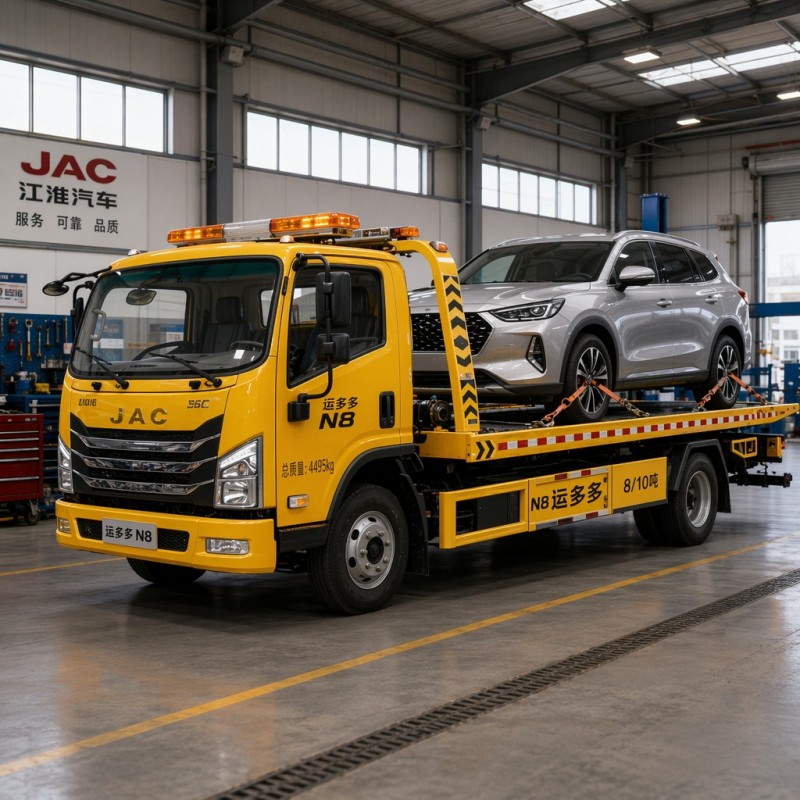
- Heavy-Duty Meets Compact JAC N8 8/10-Ton Wrecker with Cummins Power

- JAC N8 8-Ton Flatbed Wrecker Tow Truck with Cummins 160HP Engine
- Dongfeng D3L Truck-Mounted Crane Heavy-Lift Precision for Demanding Job Sites

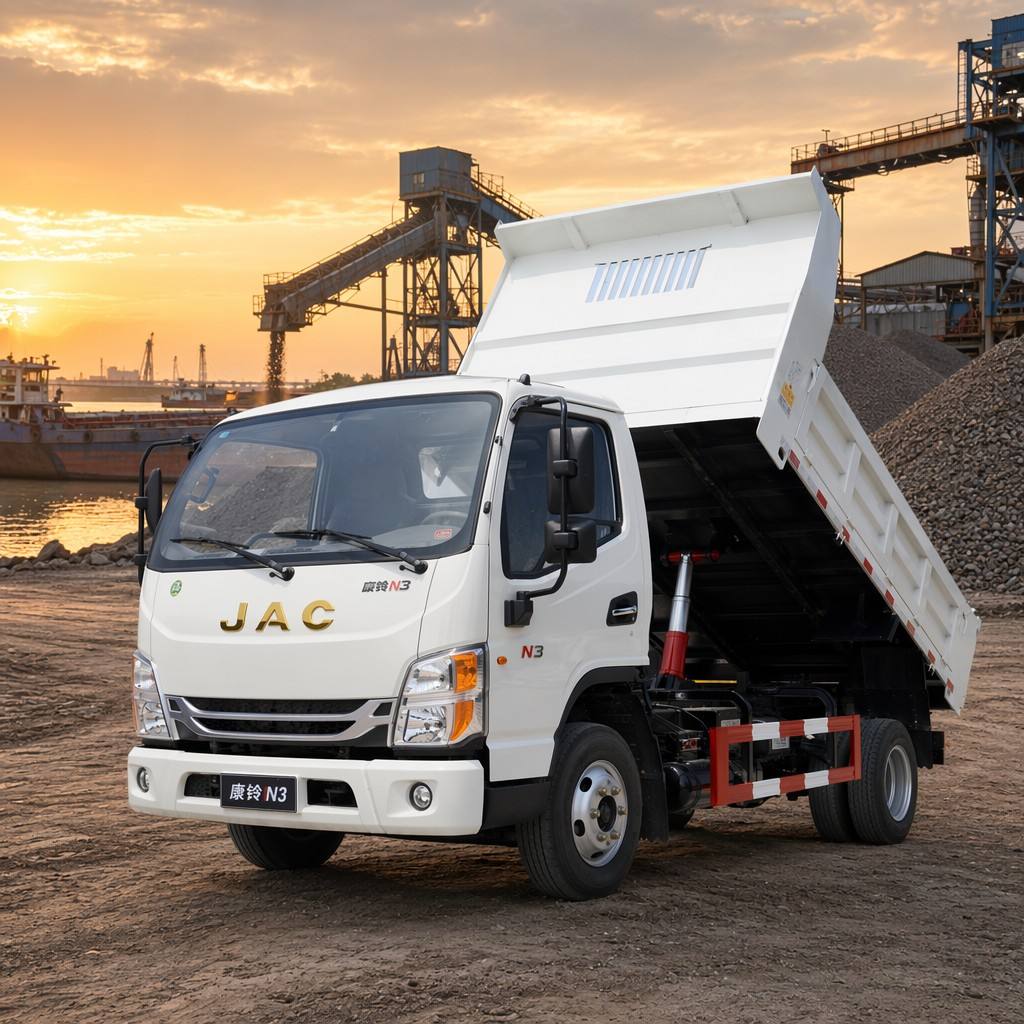
- Light Duty Dump Truck 3-5Ton Mining Tipper with JAC Chassis for Sale
- 5-6CBM Compression Garbage Truck with JAC Chassis for Sale

- View as
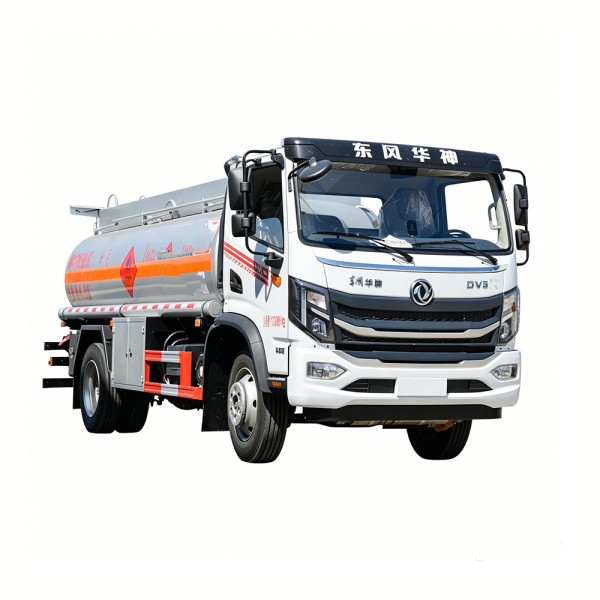
Cheap DongFeng Diesel Tanker Truck 10000L 4x2 Fuel Tank Truck
Cheap DongFeng Diesel Tanker Truck 10000L 4x2 Fuel Tank Truck
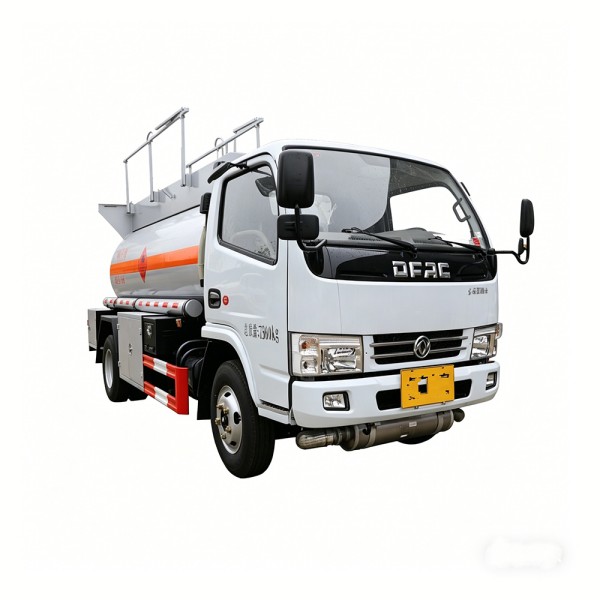
4x2 HOWO Fuel Tanker Truck 5000L Diesel Oil Tank Truck for Sale
4x2 HOWO Fuel Tanker Truck 15000L Diesel Oil Tank Truck for Sale
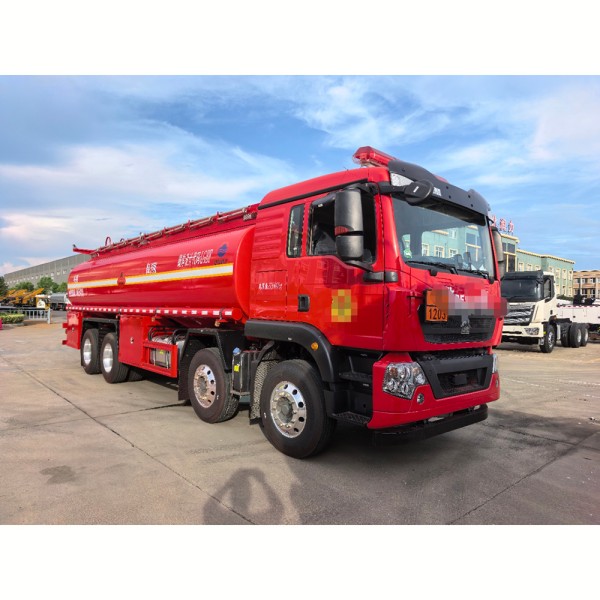
HOWO Fuel Tanker Truck 24000L Diesel Oil Tanker Truck
HOWO Fuel Tanker Truck 24000L Diesel Oil Tanker Truck Fuel Tank Truck
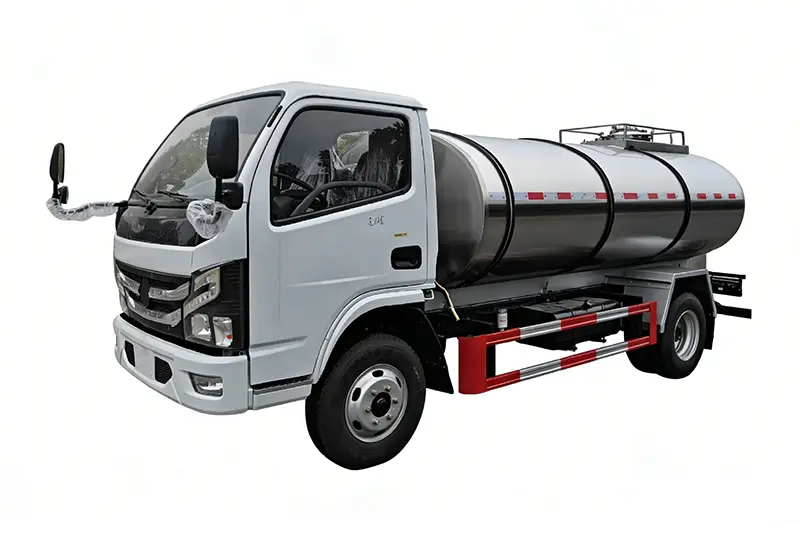
Milk Tank Truck
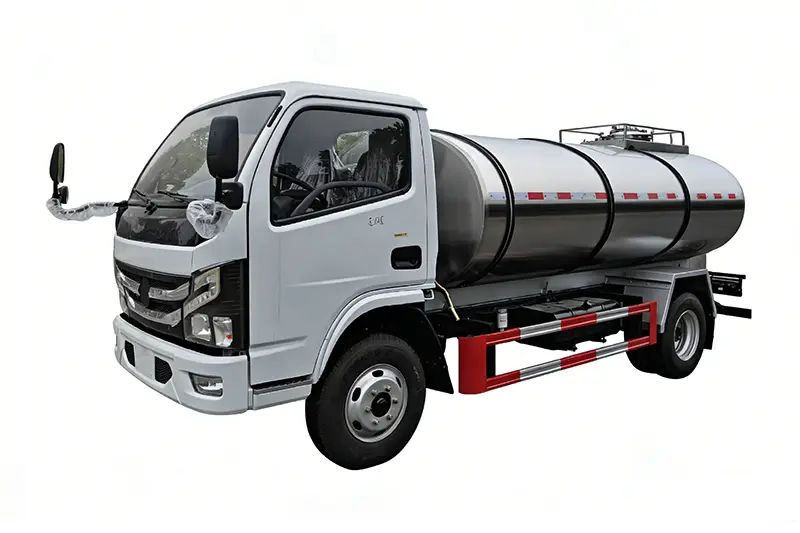
Welcome to inquire about premium Milk Tank Trucks from China. As a leading supplier and specialized factory, Runli offers a premium series of food-grade vehicles designed for the safe and hygienic transportation of fresh milk from farm to processing facility. Constructed from SUS304-2B food-grade stainless steel, our tanks feature polyurethane foam insulation to maintain precise temperatures during transit, ensuring milk freshness is preserved . Equipped with CIP cleaning systems and multiple compartments, our tankers meet the highest dairy industry standards . Whether you are looking for wholesale prices or custom tank configurations, choosing a Runli Milk Tank Truck means choosing quality and hygiene. Contact us today for factory-direct prices!
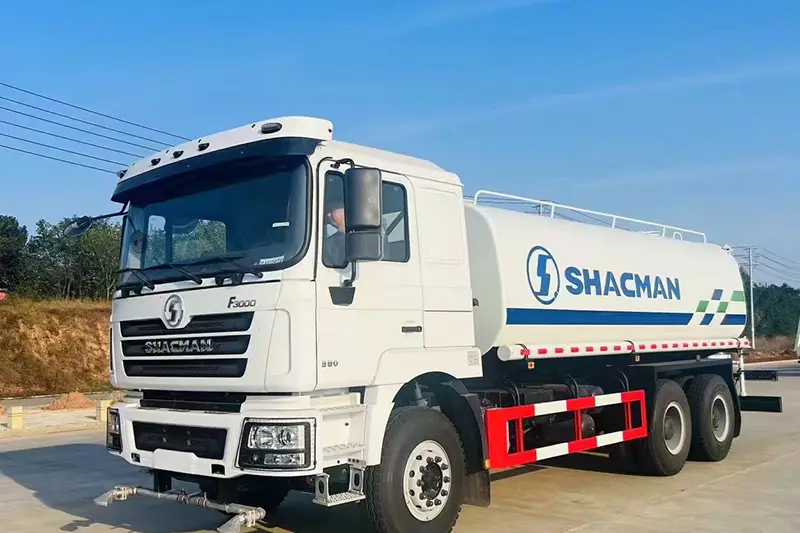
Water Tank Truck
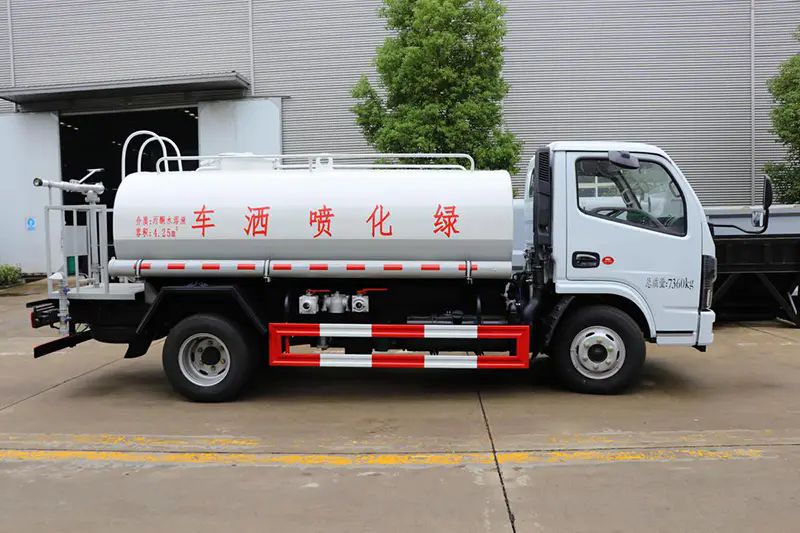
ikom SHACMAN F3000 20cbm Water Tank Truck now available at factory competitive price! This heavy-duty 6x4 water tanker features a powerful Weichai 340HP engine and 10-speed automatic transmission. Designed for dust suppression, fire fighting, and mining operations, it offers 12-16m sprinkling width and 20,000L capacity. As a leading Chinese supplier, Runli provides quality assurance and worldwide shipping. Perfect for Middle East, Africa, and Southeast Asia projects!
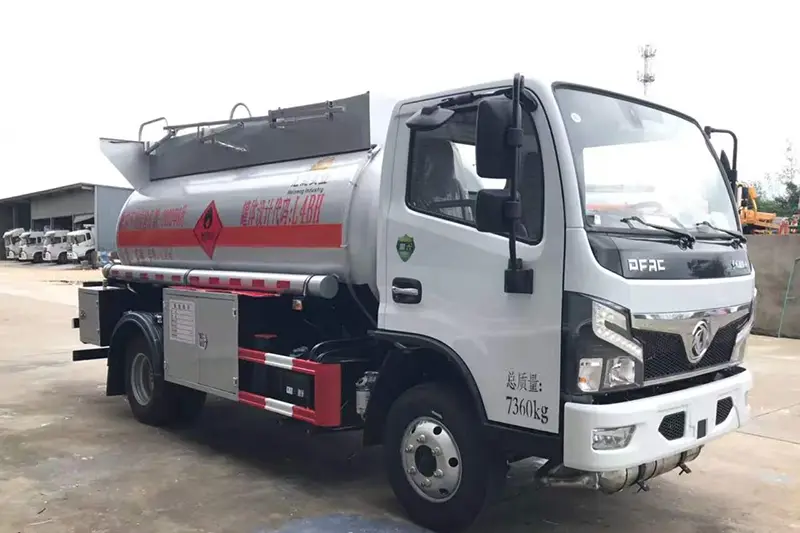
Chemical Liquid Tank Truck
Welcome to inquire about premium Chemical Liquid Tank Trucks from China. As a leading supplier and specialized factory,Runli offers a comprehensive range of vehicles designed for the safe and compliant transportation of various chemical liquids, including acids, alkalis, solvents, and petrochemicals. Built with advanced corrosion-resistant materials like 304/316L stainless steel or carbon steel with anti-corrosion linings, our tanks feature multi-channel baffles, emergency shut-off valves, and complete ADR-compliant safety systems . Whether you are looking for wholesale prices or custom tank configurations, choosing a Runli Chemical Liquid Tank Truck means choosing durability and safety. Contact us today for factory-direct prices!
Discover the latest selling Tanker Truck featuring energy-efficient technology and high-performance engines. Runli's new design focuses on reducing costs while maximizing work efficiency for global clients. Email us today.