
How Logistics Transportation Vehicle Improve Efficiency and Reduce Costs in Modern Supply Chains
Abstract: Logistics transportation vehicles are the backbone of modern supply chains, enabling timely delivery, cost optimization, and operational scalability. However, many businesses struggle with inefficiencies such as delayed shipments, high fuel consumption, and poor fleet utilization. This article explores how logistics transportation vehicles solve these challenges, what features to prioritize, and how to choose the right solution for your business.
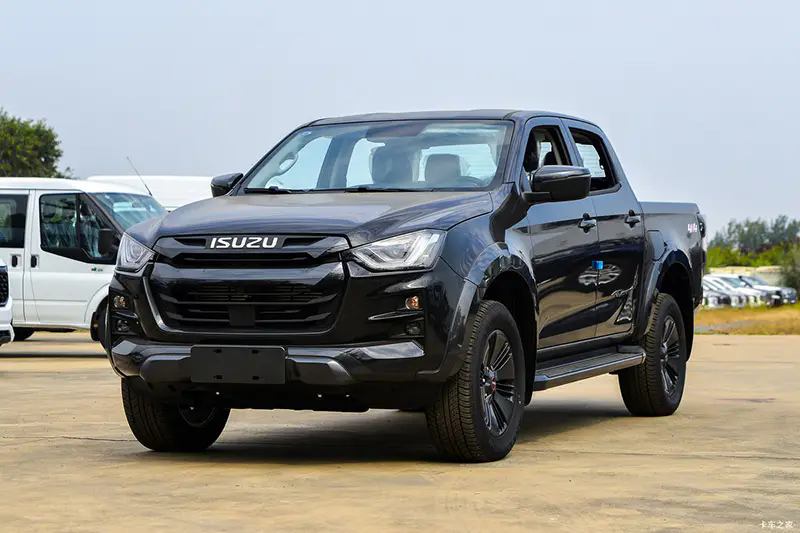
Table of Contents
- 1. Overview of Logistics Transportation Vehicles
- 2. Common Challenges Businesses Face
- 3. How Logistics Transportation Vehicles Solve These Issues
- 4. Types of Logistics Transportation Vehicles
- 5. Key Features to Consider
- 6. Comparison Table of Vehicle Types
- 7. How to Choose the Right Vehicle
- 8. Future Trends in Logistics Vehicles
- 9. Frequently Asked Questions
1. Overview of Logistics Transportation Vehicles
Logistics transportation vehicles are specialized units designed to move goods efficiently across short and long distances. These vehicles range from light-duty delivery vans to heavy-duty trucks and customized transport systems.
The primary goal of these vehicles is to ensure:
- Fast delivery cycles
- Reduced operational costs
- Improved cargo safety
- Optimized route management
In today’s competitive environment, businesses cannot rely on outdated transportation systems. Advanced logistics vehicles are now integrated with smart technologies that enhance productivity and reduce human error.
2. Common Challenges Businesses Face
Before understanding the benefits, it is important to identify the key issues companies encounter:
- High fuel costs: Inefficient vehicles consume excessive fuel.
- Delivery delays: Poor routing and vehicle limitations cause late shipments.
- Limited cargo capacity: Inadequate vehicle design reduces load efficiency.
- Maintenance downtime: Frequent breakdowns disrupt operations.
- Lack of flexibility: One-size-fits-all vehicles cannot meet diverse logistics needs.
These challenges directly impact profitability, customer satisfaction, and long-term growth.
3. How Logistics Transportation Vehicles Solve These Issues
Modern logistics transportation vehicles are engineered to address these problems through innovation and design optimization.
Fuel Efficiency: Advanced engines and aerodynamic designs significantly reduce fuel consumption.
Smart Routing Systems: Integrated GPS and fleet management software enable real-time route optimization.
Enhanced Load Capacity: Vehicles are designed with modular compartments to maximize space utilization.
Durability: High-quality materials reduce wear and tear, minimizing maintenance frequency.
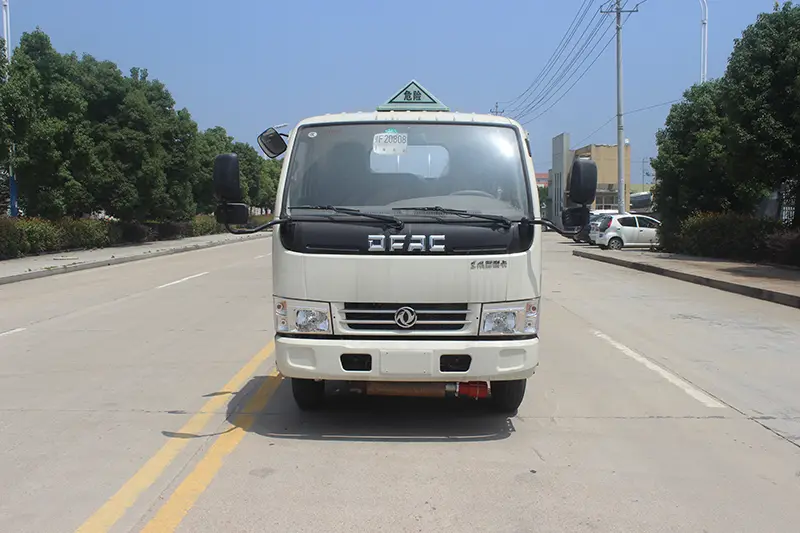
Customization: Businesses can choose vehicles tailored to specific cargo types, including refrigerated goods or hazardous materials.
4. Types of Logistics Transportation Vehicles
Different logistics needs require different vehicle types:
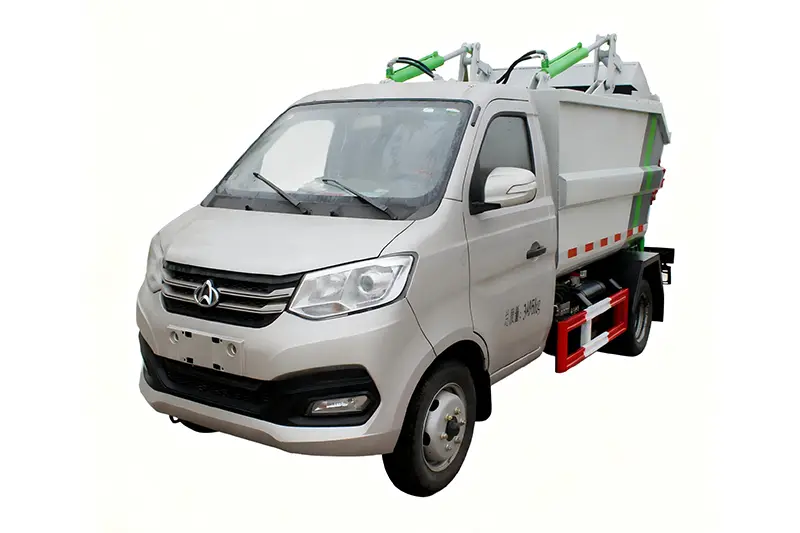
- Light Commercial Vehicles (LCVs): Ideal for urban deliveries and last-mile logistics.
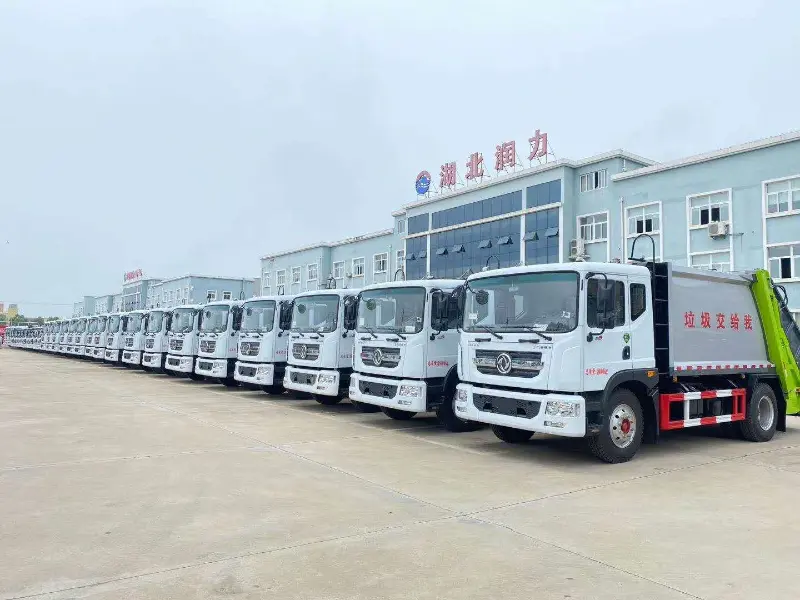
- Medium Trucks: Suitable for regional transportation with moderate cargo loads.
- Heavy-Duty Trucks: Designed for long-haul transportation and bulk goods.
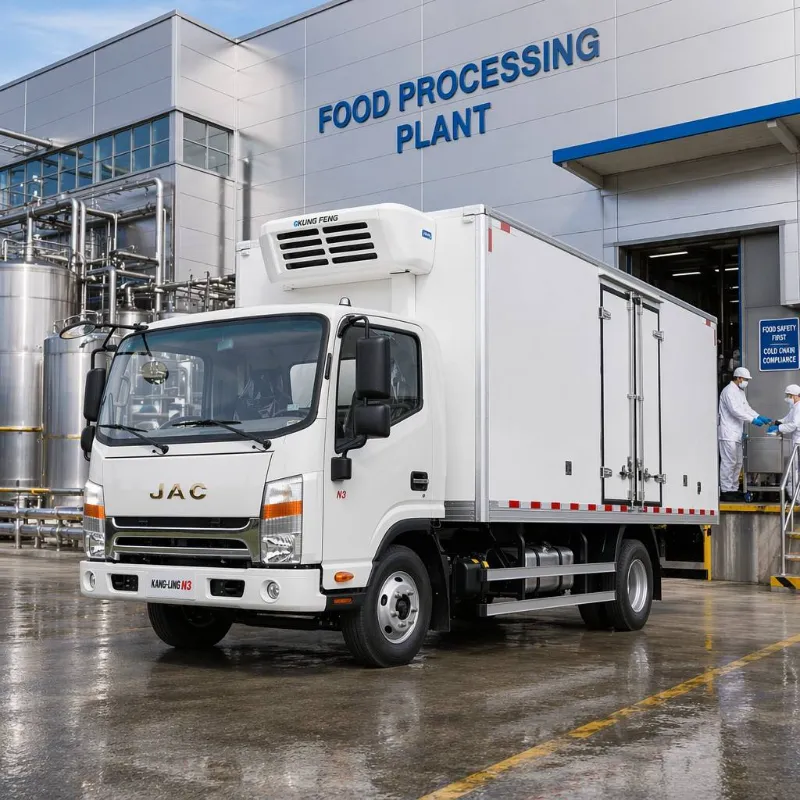
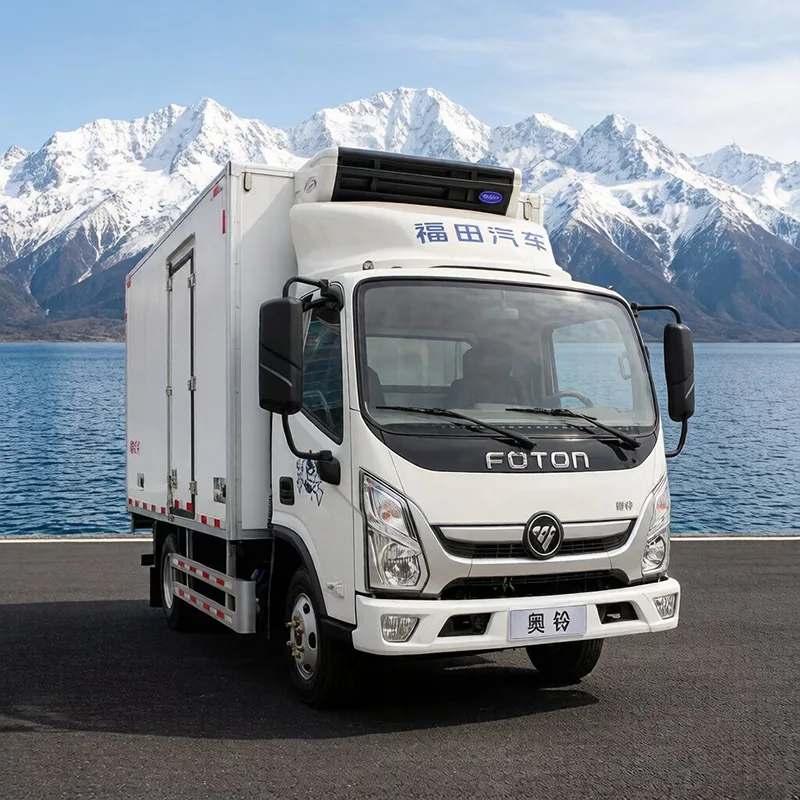
- Refrigerated Vehicles: Used for perishable items such as food and pharmaceuticals.
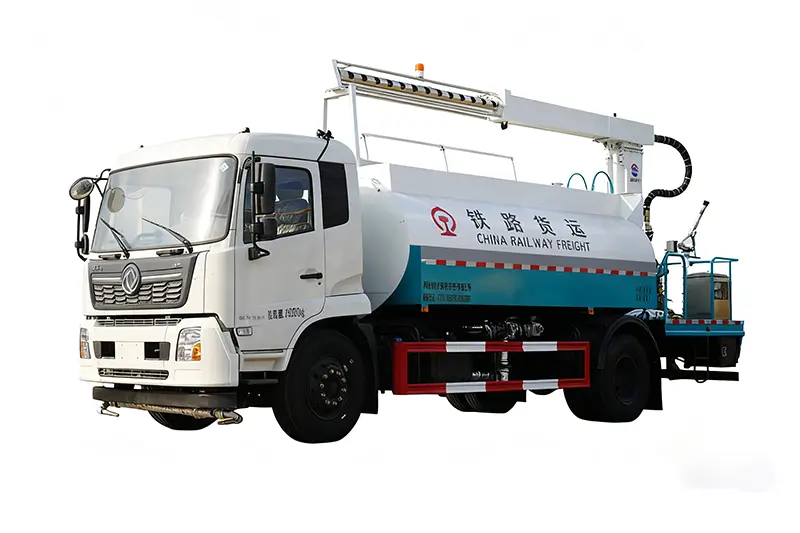
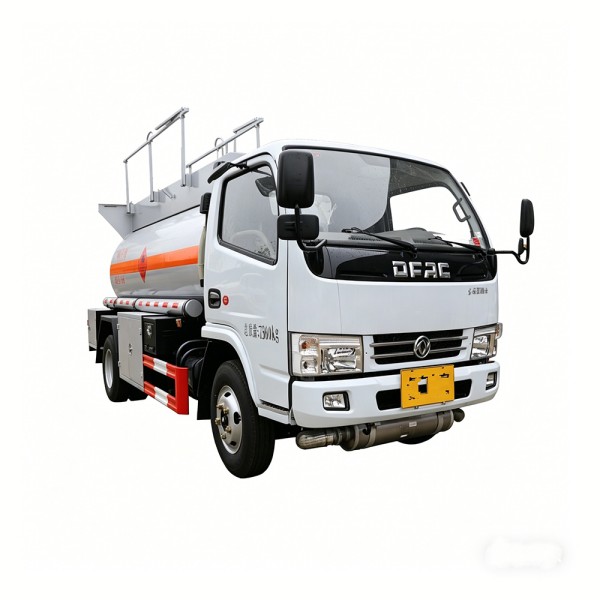
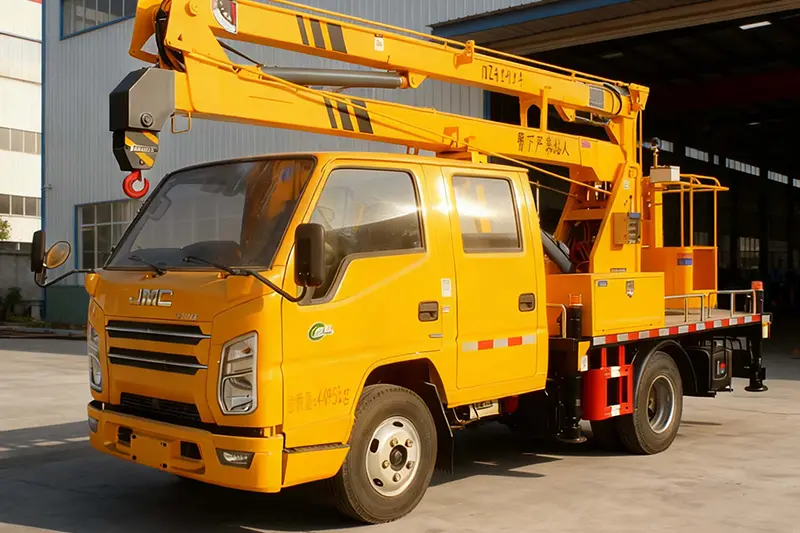
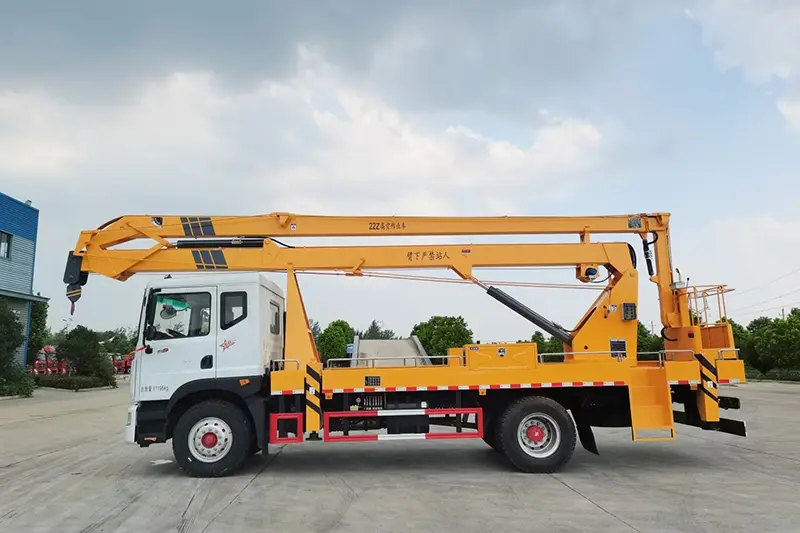
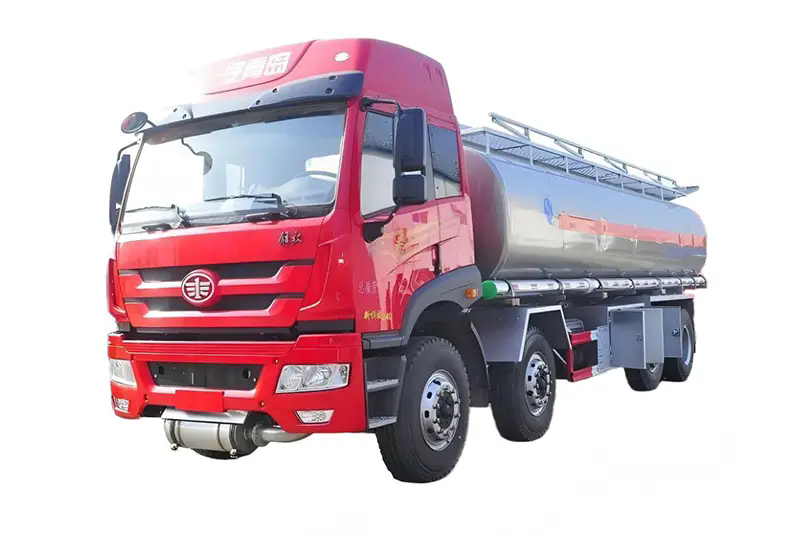
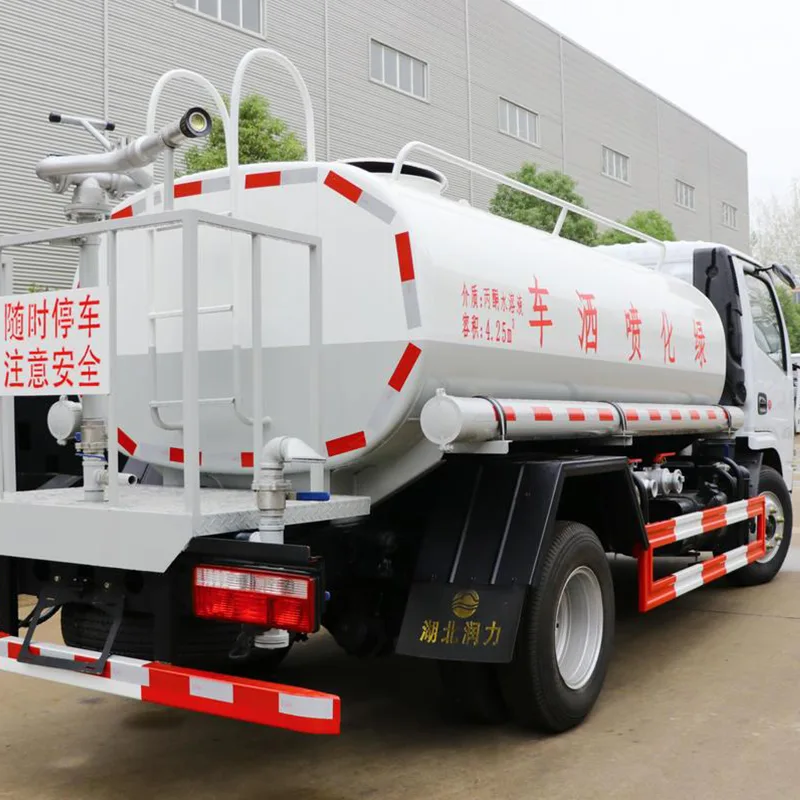
- Specialized Vehicles: Tankers, flatbeds, and container carriers for specific industries.
5. Key Features to Consider
When investing in logistics transportation vehicles, the following features are critical:
- Engine Performance: Determines power and fuel efficiency.
- Load Capacity: Impacts how much cargo can be transported per trip.
- Safety Systems: Includes braking systems, stability control, and driver assistance.
- Telematics Integration: Enables tracking and performance monitoring.
- Maintenance Requirements: Lower maintenance means higher uptime.
6. Comparison Table of Vehicle Types
| Vehicle Type | Best Use Case | Capacity | Cost Efficiency |
|---|---|---|---|
| Light Commercial Vehicle | Urban Delivery | Low | High |
| Medium Truck | Regional Transport | Medium | Moderate |
| Heavy-Duty Truck | Long Distance | High | High (Bulk) |
| Refrigerated Vehicle | Perishables | Medium | Specialized |
7. How to Choose the Right Vehicle
Selecting the right logistics transportation vehicle requires a structured approach:
- Analyze your cargo type: Determine size, weight, and sensitivity.
- Evaluate routes: Consider distance, terrain, and traffic conditions.
- Set a budget: Include both upfront and operational costs.
- Assess scalability: Choose vehicles that can grow with your business.
- Check compliance: Ensure vehicles meet regulatory standards.
Working with an experienced manufacturer ensures that you receive tailored solutions that align with your operational goals.
8. Future Trends in Logistics Vehicles
The logistics industry is rapidly evolving with new technologies:
- Electric Vehicles: Reducing emissions and fuel dependency.
- Autonomous Driving: Minimizing human error and labor costs.
- IoT Integration: Real-time monitoring of vehicle performance and cargo conditions.
- AI Optimization: Predictive maintenance and intelligent route planning.
Businesses adopting these innovations gain a significant competitive advantage.
9. Frequently Asked Questions
Q1: What is the most cost-effective logistics transportation vehicle?
A: It depends on your delivery scope. Light commercial vehicles are ideal for short distances, while heavy trucks are more efficient for bulk transport.
Q2: How can I reduce fuel costs?
A: Choose fuel-efficient engines, optimize routes, and maintain vehicles regularly.
Q3: Are customized vehicles worth the investment?
A: Yes, customization improves efficiency and ensures better alignment with your specific logistics needs.
Q4: How often should logistics vehicles be maintained?
A: Regular maintenance should follow manufacturer guidelines, typically every few thousand miles.
Q5: What industries benefit most from logistics transportation vehicles?
A: E-commerce, retail, manufacturing, food distribution, and construction all rely heavily on these vehicles.
Choosing the right logistics transportation vehicle is a strategic decision that directly impacts your operational efficiency and profitability. With the right partner, you can transform your logistics operations and achieve sustainable growth.
Runli provides advanced and customizable logistics transportation vehicle solutions tailored to your business needs. If you are looking to enhance efficiency, reduce costs, and scale your operations, contact us today to explore how Runli can support your logistics success.
Related News
- What Exactly Is OTTC Certification for Central Asia Vehicle Imports?
- How Can 3Ton Refrigerated Truck with Carrier Reefer Unit Cold Chain Transport Improve Logistics Efficiency?
- How to precisely solve the problems of enterprises' foreign trade exports?
- Looking for the original manufacturer of the crane-equipped emergency rescue vehicle? Isuzu's vehicle-mounted crane emergency rescue vehicle is directly supplied overseas
- The best selling Compactor Garbage Truck for wholesale buyers
- How Can Refrigerated Trucks Transform Your Cold Chain Logistics?
Leave me a message