
How Does an Oil Tank Truck Work and Ensure Safe Fuel Transportation
Article Summary
Oil tank trucks play a critical role in modern fuel logistics, enabling the safe and efficient transportation of petroleum products across cities, industries, and remote locations. This article explains their structure, working principles, applications, safety concerns, maintenance requirements, and how to choose the right model. It is designed to help fleet operators, procurement managers, and logistics planners understand how to optimize fuel transport operations while minimizing risk and operational costs.
Article Outline
- Introduction to Oil Tank Trucks
- Core Structure and Components
- Working Mechanism Explained
- Types of Oil Tank Trucks
- Industrial Applications
- Key Safety Challenges
- Maintenance and Operational Best Practices
- Selection Guide for Buyers
- Manufacturing Advantages
- FAQ Section
- Conclusion and Contact Information
Table of Contents
1. Introduction to Oil Tank Trucks
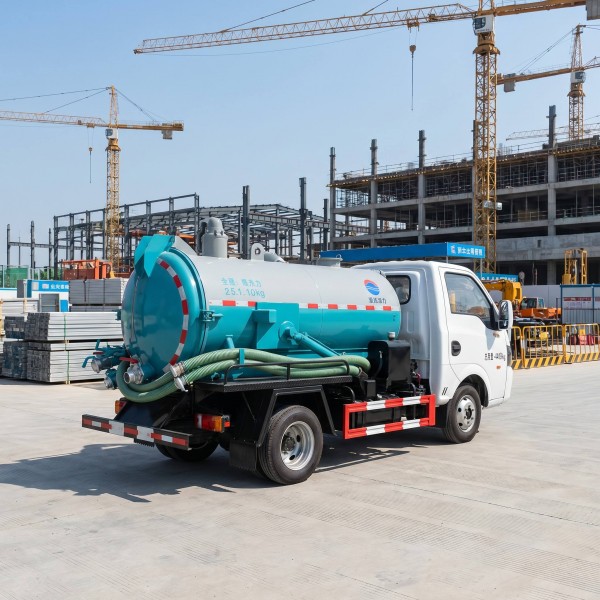
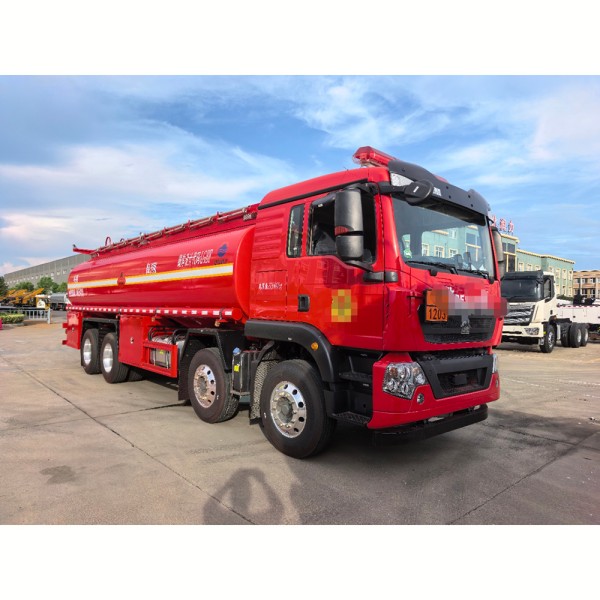
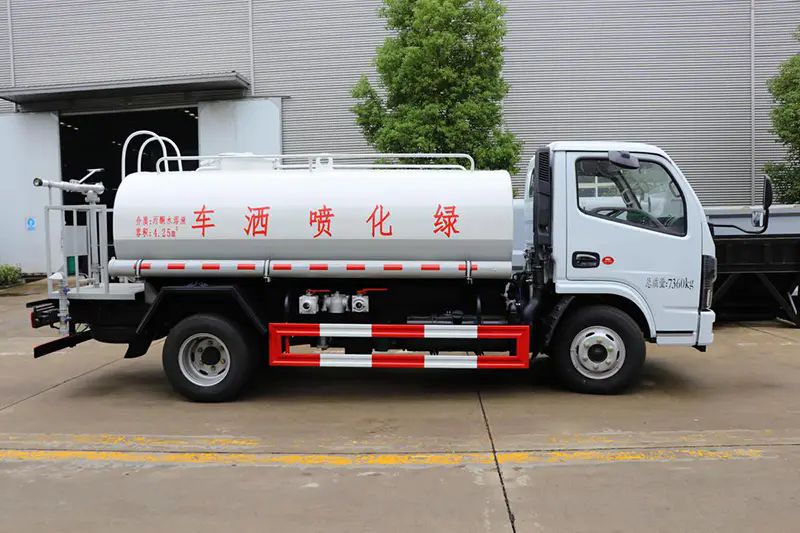
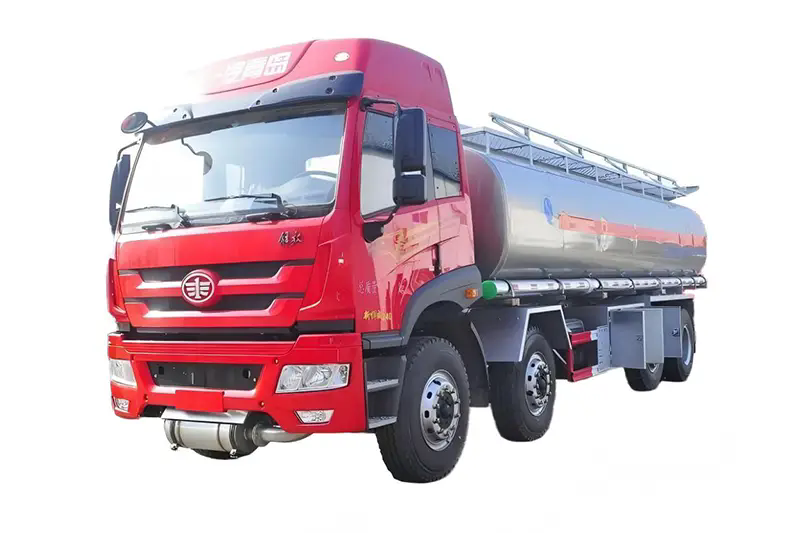
An oil tank truck is a specialized commercial vehicle designed for transporting liquid petroleum products such as diesel, gasoline, crude oil, and lubricants. These trucks are engineered with high-strength tanks, safety valves, and pumping systems to ensure stable and secure transportation.
In global supply chains, oil tank trucks serve as the critical link between refineries, storage terminals, and end users such as gas stations, factories, and construction sites. Without them, fuel distribution would become inefficient, costly, and highly risky.
2. Core Structure and Components
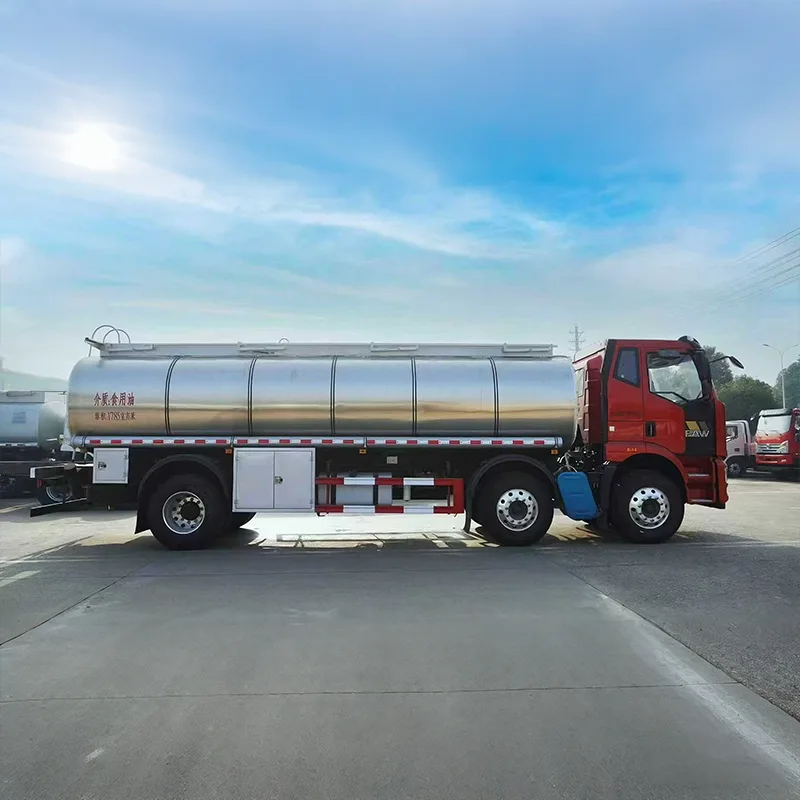
Understanding the structure of an oil tank truck is essential for appreciating its safety and performance capabilities. A typical unit consists of the following key components:
- Tank Body: Made from carbon steel, aluminum alloy, or stainless steel for corrosion resistance and durability.
- Chassis: Heavy-duty truck frame supporting the tank and load distribution system.
- Pumping System: Used for loading and unloading fuel efficiently.
- Manholes: Allow inspection and maintenance access.
- Safety Valves: Prevent overpressure and fuel leakage.
- Compartment Design: Separates different fuel types within one tank.
| Component | Function | Material |
|---|---|---|
| Tank Body | Stores fuel safely during transport | Steel / Aluminum / Stainless Steel |
| Pump System | Loads and unloads liquid fuel | Mechanical/Electric Assembly |
| Safety Valve | Prevents pressure build-up | Industrial Alloy |
3. Working Principle of Oil Tank Trucks
The operation of an oil tank truck is based on a controlled fluid transfer system. Fuel is loaded from a storage facility into the tank through a pump system. During transportation, the sealed tank ensures zero leakage and minimal evaporation.
Upon arrival at the destination, the pumping system reverses flow direction to discharge fuel into underground storage tanks or industrial reservoirs. Advanced models also use vapor recovery systems to reduce environmental impact.
4. Types of Oil Tank Trucks
Different industries require different configurations of oil tank trucks. Below are the most common types:
- Standard Fuel Tank Truck: Used for gasoline and diesel distribution.
- Crude Oil Tank Truck: Designed for raw petroleum transport.
- Multi-Compartment Truck: Carries different fuel types simultaneously.
- Aluminum Alloy Tank Truck: Lightweight and corrosion-resistant for long-distance transport.
- Explosion-Proof Tank Truck: Equipped with advanced safety systems for hazardous environments.
5. Industrial Applications
Oil tank trucks are widely used across multiple sectors:
- Fuel supply for gas stations
- Mining and construction operations
- Aviation fuel logistics
- Industrial manufacturing plants
- Emergency fuel delivery services
Their flexibility and mobility make them indispensable in both urban and remote operations where pipeline infrastructure is unavailable.
6. Key Safety Challenges
Transporting flammable liquids presents inherent risks. The most common safety challenges include:
- Fuel leakage due to improper sealing
- Static electricity buildup
- Overpressure inside the tank
- Accidental collision during transport
- Improper loading/unloading procedures
To mitigate these risks, modern oil tank trucks are equipped with anti-static grounding systems, emergency shut-off valves, and reinforced tank structures.
7. Maintenance and Operational Best Practices
Proper maintenance is essential for extending vehicle lifespan and ensuring safety compliance. Key practices include:
- Regular inspection of tank welds and seals
- Cleaning internal compartments to prevent contamination
- Testing safety valves and pumping systems
- Monitoring tire pressure and chassis condition
- Ensuring compliance with transportation regulations
Preventive maintenance significantly reduces downtime and operational risks in fuel logistics operations.
8. Selection Guide for Buyers
When selecting an oil tank truck, buyers should evaluate the following factors:
| Factor | Consideration |
|---|---|
| Capacity | Choose based on transport volume requirements |
| Material | Aluminum for lightweight, steel for durability |
| Safety Features | Anti-leak, anti-static, and pressure control systems |
| Regulatory Compliance | Must meet transportation and environmental standards |
9. Manufacturing Expertise
High-quality oil tank trucks require advanced engineering and strict manufacturing standards.
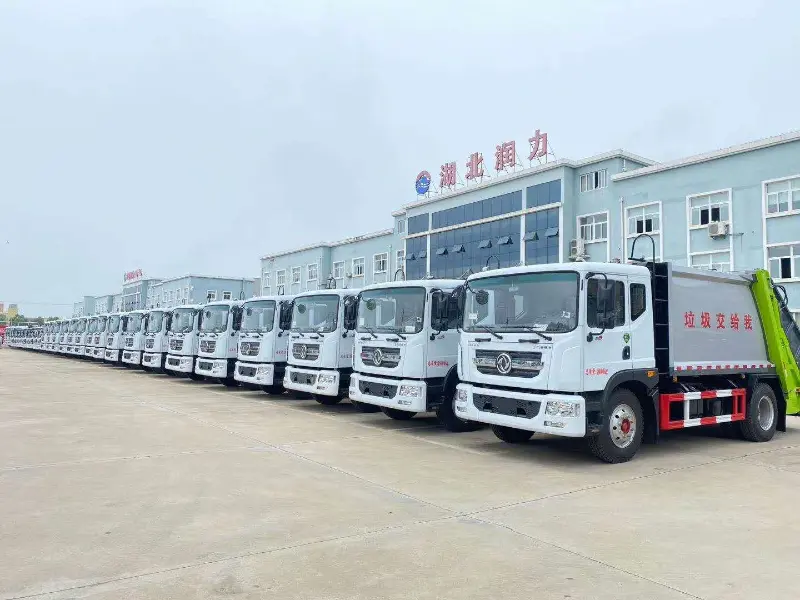
Hubei Runli Special Automobile Co., Ltd. specializes in producing reliable and customized oil tank trucks designed for different industrial needs. With strong production capability and strict quality control systems, the company ensures each vehicle meets operational safety and performance expectations in demanding environments.
More product details can be explored through: https://www.runlispecialtruck.com/oil-tank-truck
10. Frequently Asked Questions (FAQ)
Q1: What materials are oil tank trucks made of?
They are typically made from carbon steel, aluminum alloy, or stainless steel depending on usage requirements.
Q2: How long does an oil tank truck last?
With proper maintenance, a high-quality unit can last 10–15 years or more.
Q3: Are oil tank trucks safe for long-distance transport?
Yes, modern designs include multiple safety systems to ensure secure long-distance operations.
Q4: Can one truck carry different fuels?
Yes, multi-compartment designs allow simultaneous transport of different fuel types.
11. Conclusion
Oil tank trucks are essential assets in global fuel logistics, ensuring safe, efficient, and reliable distribution of petroleum products. Understanding their structure, operation, and safety requirements helps businesses reduce operational risks and improve supply chain efficiency.
For businesses seeking high-performance oil transport solutions, partnering with experienced manufacturers ensures long-term reliability and compliance with industry standards.
Hubei Runli Special Automobile Co., Ltd. provides professional oil tank truck solutions tailored to diverse industrial needs.
For customized solutions, technical support, and competitive pricing, please contact us today to get expert assistance and detailed product consultation.
Related News
- What Exactly Is OTTC Certification for Central Asia Vehicle Imports?
- How Can 3Ton Refrigerated Truck with Carrier Reefer Unit Cold Chain Transport Improve Logistics Efficiency?
- How to precisely solve the problems of enterprises' foreign trade exports?
- Looking for the original manufacturer of the crane-equipped emergency rescue vehicle? Isuzu's vehicle-mounted crane emergency rescue vehicle is directly supplied overseas
- The best selling Compactor Garbage Truck for wholesale buyers
- How Can Refrigerated Trucks Transform Your Cold Chain Logistics?
Leave me a message