
How Does a Bulk Liquid Tank Truck Ensure Safe Transport of Liquids?
Article Abstract
Bulk liquid transportation is a critical component of modern industrial logistics, enabling the safe movement of fuels, chemicals, edible oils, water, and other liquid commodities across long distances. A Bulk Liquid Tank Truck is specially engineered to minimize contamination risks, prevent leakage, and maintain cargo stability during transit. This article explores how these vehicles operate, their structural design, safety mechanisms, operational challenges, and best practices for efficient use. It also highlights key considerations for buyers and operators seeking reliable solutions in liquid logistics.
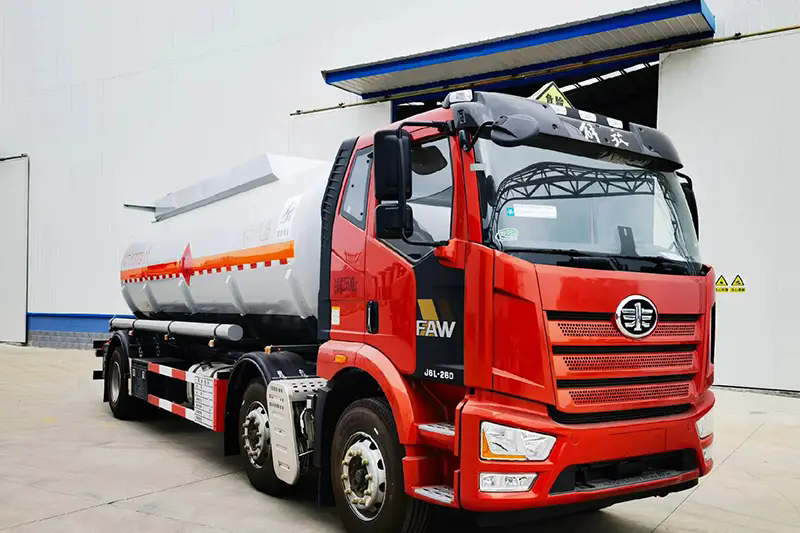
Table of Contents
- Introduction to Bulk Liquid Tank Trucks
- Working Principles and Structural Design
- Key Safety Systems
- Types of Liquid Cargo Transported
- Operational Challenges and Risk Factors
- Maintenance and Compliance Requirements
- Comparison Table: Tank Materials and Applications
- Best Practices for Efficient Transportation
- Why Manufacturer Expertise Matters
- FAQ Section
- Conclusion and Contact Information
Outline
- Definition and purpose of bulk liquid transport vehicles
- Engineering design and compartmentalization
- Pressure control and anti-surge systems
- Safety valves, sensors, and emergency shutdown systems
- Industrial applications across multiple sectors
- Regulatory compliance and inspection standards
- Selection criteria for businesses
Introduction to Bulk Liquid Tank Trucks
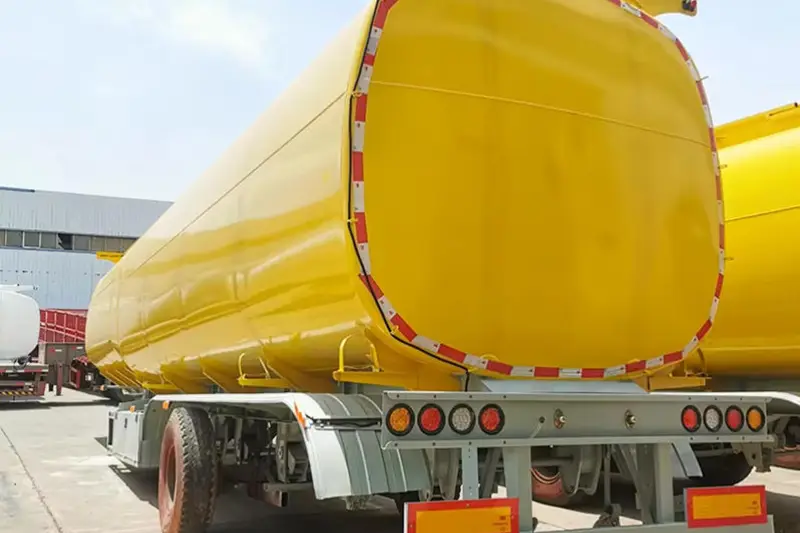
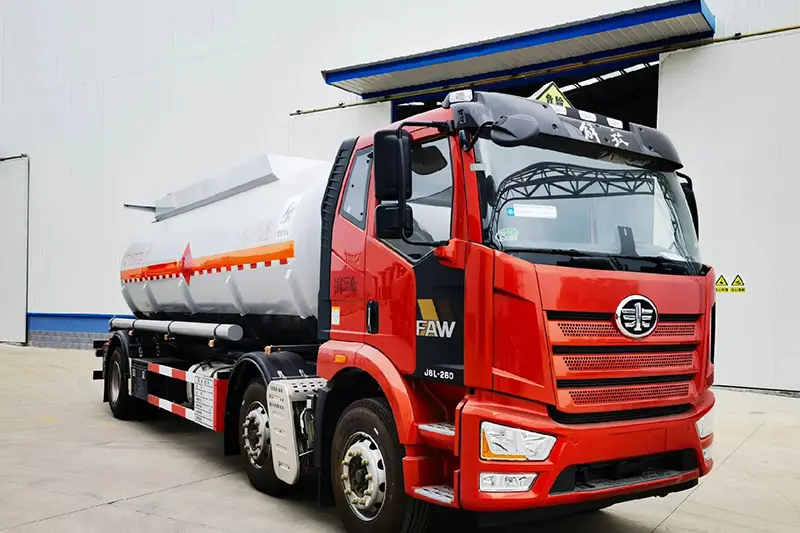
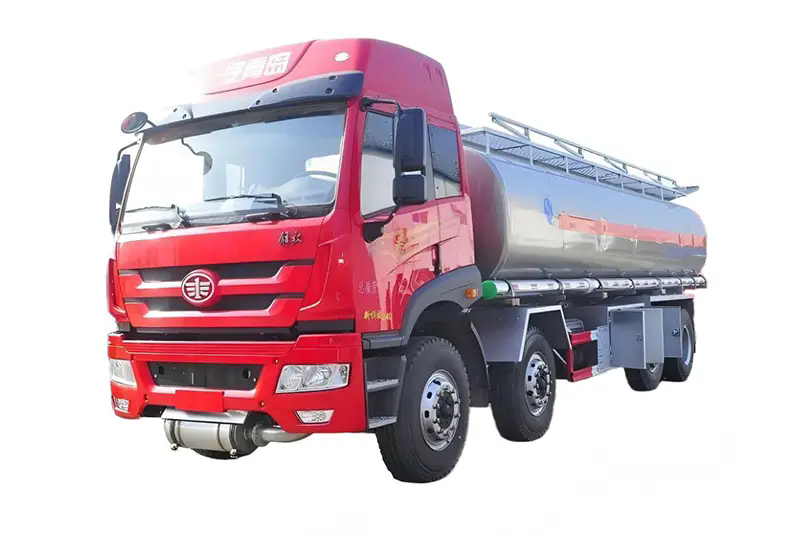
A Bulk Liquid Tank Truck is a specialized transport vehicle designed to carry large volumes of liquid cargo safely and efficiently. Unlike standard freight trucks, these vehicles are engineered with cylindrical tanks, reinforced materials, and internal stabilization systems. Their primary purpose is to ensure liquids remain secure, uncontaminated, and stable under varying road and weather conditions.
Industries such as petrochemicals, agriculture, food processing, and water distribution rely heavily on these trucks to maintain uninterrupted supply chains. The importance of safe liquid transport cannot be overstated, as even minor leakage or contamination can result in environmental hazards or significant financial losses.
Working Principles and Structural Design
The design of a Bulk Liquid Tank Truck is centered on three core principles: safety, stability, and efficiency. The tank is typically mounted on a heavy-duty chassis and divided into compartments to reduce liquid sloshing, also known as surge motion.
- Cylindrical Tank Shape: Minimizes pressure points and ensures even distribution of liquid weight.
- Internal Baffles: Installed to reduce movement of liquid during acceleration and braking.
- Reinforced Frame: Supports heavy loads and prevents structural deformation.
- Corrosion-Resistant Coating: Protects against chemical reactions and extends service life.
These structural components work together to ensure that the liquid remains stable, even during sharp turns or sudden stops.
Key Safety Systems
Safety is the most critical aspect of bulk liquid transportation. Modern tank trucks integrate multiple safety systems to prevent accidents and environmental contamination.
- Pressure relief valves to prevent internal overpressure
- Leak detection sensors for real-time monitoring
- Emergency shut-off systems in case of pipeline rupture
- Anti-static grounding systems for flammable liquids
- Thermal insulation for temperature-sensitive cargo
These systems significantly reduce operational risks and ensure compliance with transportation safety regulations.
Types of Liquid Cargo Transported
Bulk liquid tank trucks are highly versatile and are used for transporting various types of liquids depending on industry needs.
- Fuel products (diesel, gasoline, aviation fuel)
- Chemicals (acids, solvents, industrial reagents)
- Food-grade liquids (milk, edible oils, juices)
- Water for municipal and agricultural use
- Liquid fertilizers and agricultural solutions
Each category requires specific tank material and safety configuration to prevent contamination and maintain product integrity.
Operational Challenges and Risk Factors
Despite advanced engineering, bulk liquid transportation faces several operational challenges. Understanding these risks is essential for safe and efficient logistics management.
- Liquid surge affecting vehicle stability
- Temperature fluctuations impacting chemical stability
- Road vibration leading to structural stress
- Human error during loading and unloading
- Regulatory non-compliance risks
Proper driver training and vehicle maintenance are essential to mitigate these risks effectively.
Maintenance and Compliance Requirements
Routine maintenance ensures the long-term performance and safety of Bulk Liquid Tank Trucks. Operators must follow strict inspection schedules and regulatory standards.
- Regular tank pressure testing
- Inspection of valves and seals
- Cleaning and decontamination after each load
- Chassis and tire condition checks
- Electronic sensor calibration
Compliance with transportation regulations is mandatory in most regions, ensuring both environmental protection and public safety.
Comparison Table: Tank Materials and Applications
| Tank Material | Key Feature | Common Application |
|---|---|---|
| Carbon Steel | High strength, cost-effective | Fuel and industrial liquids |
| Stainless Steel | Corrosion resistance, hygiene | Food-grade liquids, chemicals |
| Aluminum Alloy | Lightweight, fuel efficient | Fuel transport, long-distance logistics |
Best Practices for Efficient Transportation
To maximize efficiency and safety, operators should adopt industry best practices throughout the transport lifecycle.
- Ensure proper load distribution before departure
- Use trained and certified drivers
- Monitor pressure and temperature in real time
- Schedule preventive maintenance regularly
- Follow strict loading/unloading protocols
These practices reduce downtime and improve operational reliability significantly.
Why Manufacturer Expertise Matters
Choosing a reliable manufacturer is essential when investing in bulk liquid transport equipment. Engineering quality, material selection, and after-sales support all influence long-term performance.
Hubei Runli Special Automobile Co., Ltd. is a professional manufacturer specializing in advanced liquid transport vehicles. The company focuses on delivering durable, safe, and efficient Bulk Liquid Tank Truck solutions tailored to diverse industrial requirements. With strong engineering capabilities and strict quality control systems, it ensures that each unit meets high operational standards.
FAQ
Q1: What is a Bulk Liquid Tank Truck used for?
It is used to transport large volumes of liquid materials such as fuel, chemicals, water, and food-grade liquids safely over long distances.
Q2: How is liquid stability maintained during transport?
Internal baffles and compartmentalized tank structures reduce sloshing and maintain balance during movement.
Q3: Are these trucks suitable for hazardous materials?
Yes, but only when equipped with certified safety systems and compliant tank materials designed for hazardous cargo.
Q4: How often should maintenance be performed?
Routine inspections should be conducted before and after each trip, with deeper maintenance scheduled periodically based on usage intensity.
Q5: Can one truck carry multiple types of liquids?
Yes, compartmentalized tanks allow multiple liquids to be transported simultaneously, provided they are compatible and contamination risks are controlled.
Conclusion and Contact Information
Bulk Liquid Tank Trucks play an essential role in global logistics by ensuring safe, efficient, and reliable liquid transportation. From structural engineering to advanced safety systems, every component is designed to minimize risk and maximize performance. Businesses that invest in high-quality vehicles benefit from improved operational efficiency and reduced long-term costs.
For reliable solutions and customized configurations, Hubei Runli Special Automobile Co., Ltd. provides industry-leading manufacturing expertise and technical support tailored to your transportation needs.
For more details and cooperation opportunities, contact us today to explore the best Bulk Liquid Tank Truck solutions for your business needs.
Related News
- What Exactly Is OTTC Certification for Central Asia Vehicle Imports?
- How Can 3Ton Refrigerated Truck with Carrier Reefer Unit Cold Chain Transport Improve Logistics Efficiency?
- How to precisely solve the problems of enterprises' foreign trade exports?
- Looking for the original manufacturer of the crane-equipped emergency rescue vehicle? Isuzu's vehicle-mounted crane emergency rescue vehicle is directly supplied overseas
- The best selling Compactor Garbage Truck for wholesale buyers
- How Can Refrigerated Trucks Transform Your Cold Chain Logistics?
Leave me a message